
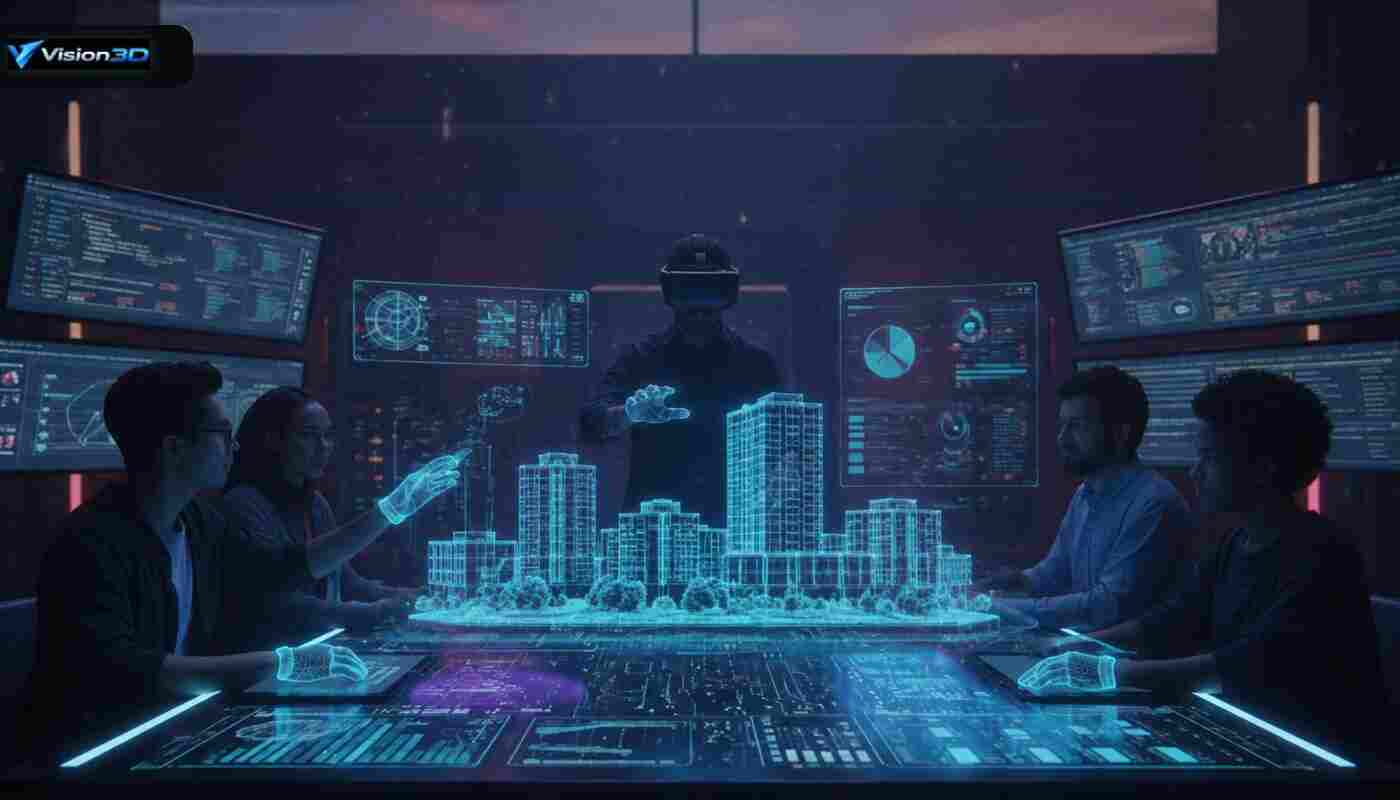
3D Hologram Technology is reshaping real estate marketing in a way that feels almost unreal, because it turns those static brochures and 2D renderings into experiences you can almost step into. Rather than depending only on photos or simple walkthrough videos, developers and agents can now project whole buildings, interiors, and spatial layouts that seem to float in mid-air. That makes it easier for buyers to understand scale, surroundings, and everyday lifestyle context, not just “what it looks like.” And in practice, this change helps brands stand out, shorten the decision cycle time, and explain unbuilt projects in a more convincing manner.
What 3D Hologram Technology Brings to Real Estate
With 3D Hologram Technology, project teams can showcase life-size or scaled models of apartments, towers, and mixed-use developments. Buyers can view the model from every angle through a 360-degree display. Different floor plans and exterior designs can be presented instantly without rebuilding the model. Teams can also highlight sunlight exposure, parking layouts, and amenity locations, making projects easier to understand and evaluate.
There are a few clear advantages, like:
- Buyers can see in an instant how a unit connects to shared zones, streets, and nearby green spaces
- Developers can update the 3D content with less hassle when design details shift or when marketing priorities change
- Sales teams get that noticeable “wow” factor, which usually means people linger longer and ask deeper questions
For premium residential, commercial, and mixed-use projects, this kind of 3D Hologram Technology is moving toward being a standard, especially in high-end sales galleries, where presentation matters.
Hologram Property Visualization in Sales Centers
Sales centers are increasingly swapping tiny physical models for hologram property visualization platforms. Visitors gather around a transparent screen or a pyramid-style display and then watch the building plus its surroundings appear in 3D. Many setups also come with interactive controls, so users can change finishes, adjust furniture, or shift lighting, almost like they are exploring options themselves instead of just watching a presentation.
Key benefits include:
- A faster, more direct understanding of the concept compared to brochures or printed layouts
- Less need for expensive physical models, and fewer redesign expenses when plans change
- A stronger emotional impact, because the 3D
3D Hologram Technology and Virtual Property Experience Centres
Developers are also slipping holographic displays into virtual property experience centres, both in real-world showrooms and in online spaces. In a usual virtual property experience centre, guests can view the 3D hologram through a screen, a pyramid-style unit or an AR-enabled device, then they interact with touch panels or apps to dig into layouts that feel fresh.
This approach is ideal for remote and international buyers who cannot visit in person. It transforms a static website into an immersive 3D experience. Teams can explore timelines, lifestyle visuals, and construction updates around the model. With 3D Hologram Technology, they gain a clearer understanding of the entire project ecosystem, not just a floor plan.
Impact on Marketing and Sales
When real estate teams run 3D hologram setups, they often notice tangible improvements
- People tend to stay longer at sales desks and
- Agents can have more detailed conversations with prospects
- Stronger brand differentiation from the competitors, still using text-heavy or purely image-only materials.
- Clearer storytelling that ties the whole project to daily lifestyle, the location itself, and the amenities that feel real.
These benefits help teams communicate quality and innovation more confidently, especially in packed urban zones or investment-driven markets, where 3D Hologram Technology has turned into a real, critical differentiator.
This table helps real estate teams pick the best hardware and software mix for their project scale, their audience, and their budget while also getting the most out of 3D Hologram Technology.
Wrap Up!
As holographic hardware gets more compact and accessible, and content creation tools become easier to manage, 3D displays are likely to drift from optional add-ons to standard tools in real physical showrooms and also in virtual property experience centres. For developers, taking early real estate hologram adoption, meaning hologram property visualization, can give a distinct advantage. It helps them explain their vision more clearly, accelerate decision-making, and create richer emotional connections with buyers.