
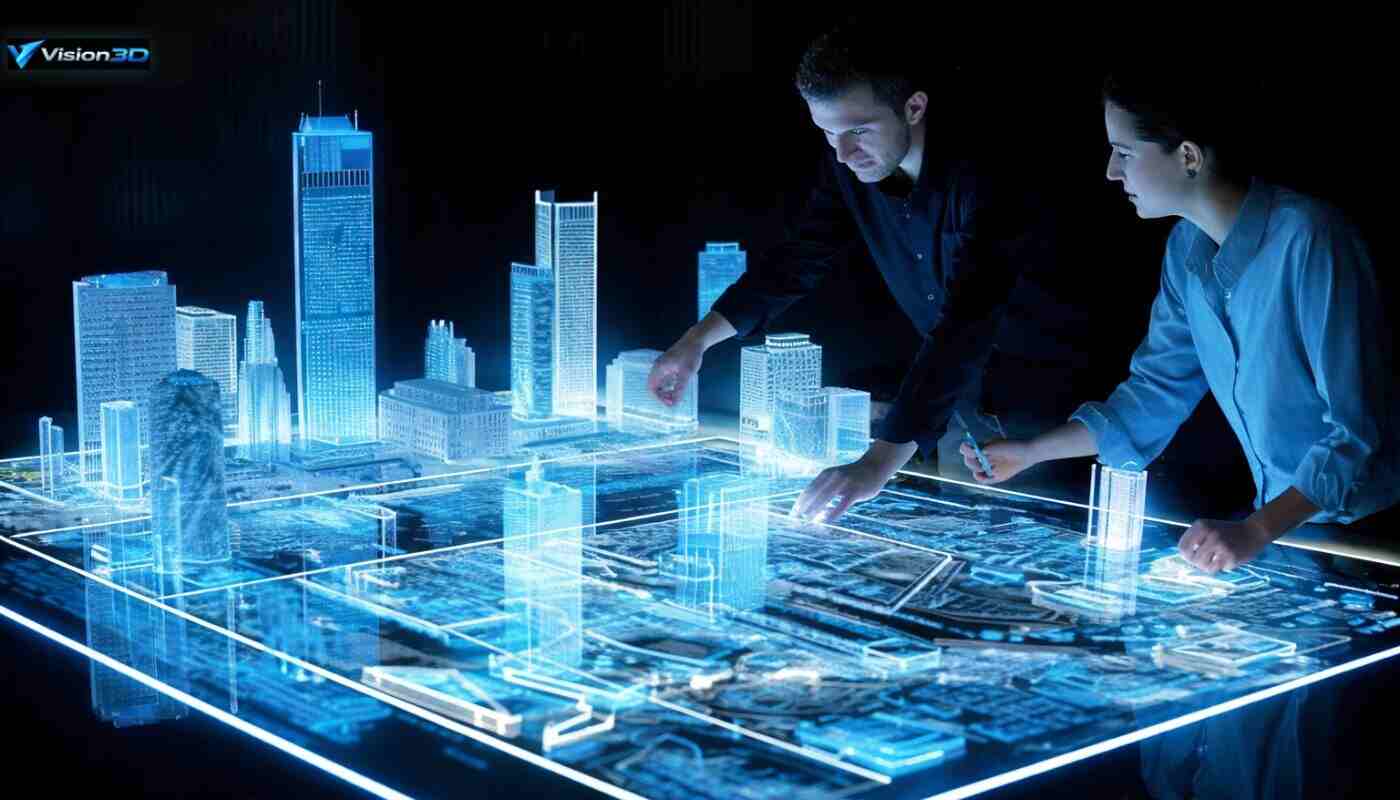
Technology is transforming every industry, and architecture is no exception. Today, architects and developers are constantly looking for innovative ways to present their ideas more clearly to clients and investors. Hologram in architecture is one such breakthrough technology that is changing how building designs are visualized and presented. Instead of relying only on blueprints or static 3D renders, holograms allow architects to display lifelike models that appear to float in space.
Moreover, this technology helps clients understand architectural concepts much more easily. With the support of a professional holography company, designers can convert digital plans into interactive visual experiences that improve presentations and decision-making.
What Is a Hologram in Architecture?
A hologram in architecture refers to a three-dimensional projection of a building or structure that can be viewed from different angles. Unlike traditional models or images, holograms create the illusion of depth and movement, making the design appear realistic.
Typically, architects first create a digital hologram model using advanced 3D design tools. After that, the model is integrated into holographic display systems that project the design in mid-air. As a result, clients can see every detail of the project, including structure, layout, and design elements.
Furthermore, this technology allows architects to present complex architectural ideas in a simple and engaging format.
Why Architects Are Using Holographic Technology
Architects have always relied on visualization tools to explain their designs. However, traditional drawings and physical models often fail to show the complete picture. Therefore, many professionals are now adopting holographic technology to improve presentations.
Better Design Visualization
First of all, holograms allow architects to display buildings in full 3D form. Clients can observe the project from multiple angles and understand the scale, structure, and design features more clearly.
Improved Client Understanding
In addition, a hologram model helps clients visualize the final outcome of a project without needing technical knowledge. Consequently, this reduces misunderstandings and speeds up the approval process.
Faster Design Modifications
Another advantage is flexibility. If changes are required, architects can quickly update the digital hologram model and present the revised version. This saves both time and resources compared to rebuilding physical models.
Innovative Project Marketing
Similarly, developers can use holographic displays to promote upcoming projects in sales galleries or exhibitions. As a result, potential buyers get a futuristic and memorable viewing experience.
Applications of Holograms in Architecture
The hologram industry is expanding rapidly, and architecture is one of the sectors benefiting greatly from this technology. In fact, holograms can be used in many different stages of architectural projects.
Architectural Design Presentations
For instance, architects can present early-stage building concepts using holographic displays. This helps clients understand the structure, layout, and spatial relationships of the project.
Real Estate Marketing
Moreover, real estate developers use hologram models in sales centers to display upcoming residential or commercial properties. Potential buyers can visualize the building even before construction begins.
Urban Planning
Similarly, city planners can use holographic projections to display large-scale infrastructure projects such as smart cities, highways, or public spaces. Consequently, stakeholders can better evaluate planning proposals.
Architectural Exhibitions
Furthermore, architecture firms use holographic presentations during exhibitions and industry events to showcase innovative designs and attract investors.
Role of a Professional Holography Company
Although holograms look futuristic, creating them requires technical expertise. That is why architects often collaborate with a reliable holography company that specializes in holographic visualization.
A professional company can assist with:
- Creating accurate hologram models from architectural designs
- Developing customized holographic display systems
- Producing interactive 3D presentations
- Installing holographic solutions in showrooms or exhibitions
Therefore, working with experienced professionals ensures high-quality results and effective presentations.
Future of the Hologram Industry in Architecture
The hologram industry is expected to grow significantly in the coming years. As technology continues to evolve, holographic displays will become more advanced, interactive, and accessible.
For example, future systems may integrate artificial intelligence, augmented reality, and real-time design editing. As a result, architects and clients could walk through virtual building spaces and modify layouts instantly.
Moreover, holographic visualization may soon become a standard tool for architectural presentations, real estate marketing, and urban planning projects.
Conclusion
In conclusion, the use of holograms in architecture is transforming how architectural designs are created, presented, and understood. By converting digital models into immersive visual experiences, holographic technology allows architects to communicate their ideas more effectively.
Additionally, holograms improve client engagement, simplify design explanations, and create powerful marketing presentations. As the hologram industry continues to grow, more architects and developers are turning to innovative solutions offered by professional holography companies.
Ultimately, holographic technology is shaping the future of architecture by making building designs more interactive, understandable, and visually impressive.