
Next‑Gen Immersive Museum Exhibits with Holograms
Museums worldwide are embracing immersive technology to transform how visitors engage with collections, narratives, and cultural heritage. Traditional glass-case displays and wall-mounted panels are being supplemented — and sometimes replaced — by holographic displays, interactive projection surfaces, and 360-degree immersive environments that create emotional, memorable connections between visitors and content.
This shift reflects changing visitor expectations. Modern audiences, shaped by digital experiences in every other aspect of life, expect museum visits to be engaging, interactive, and spatially immersive. The challenge for institutions is adopting technology that enhances rather than overwhelms the collections and stories at the heart of the museum experience.
Holographic Displays in Museum Galleries
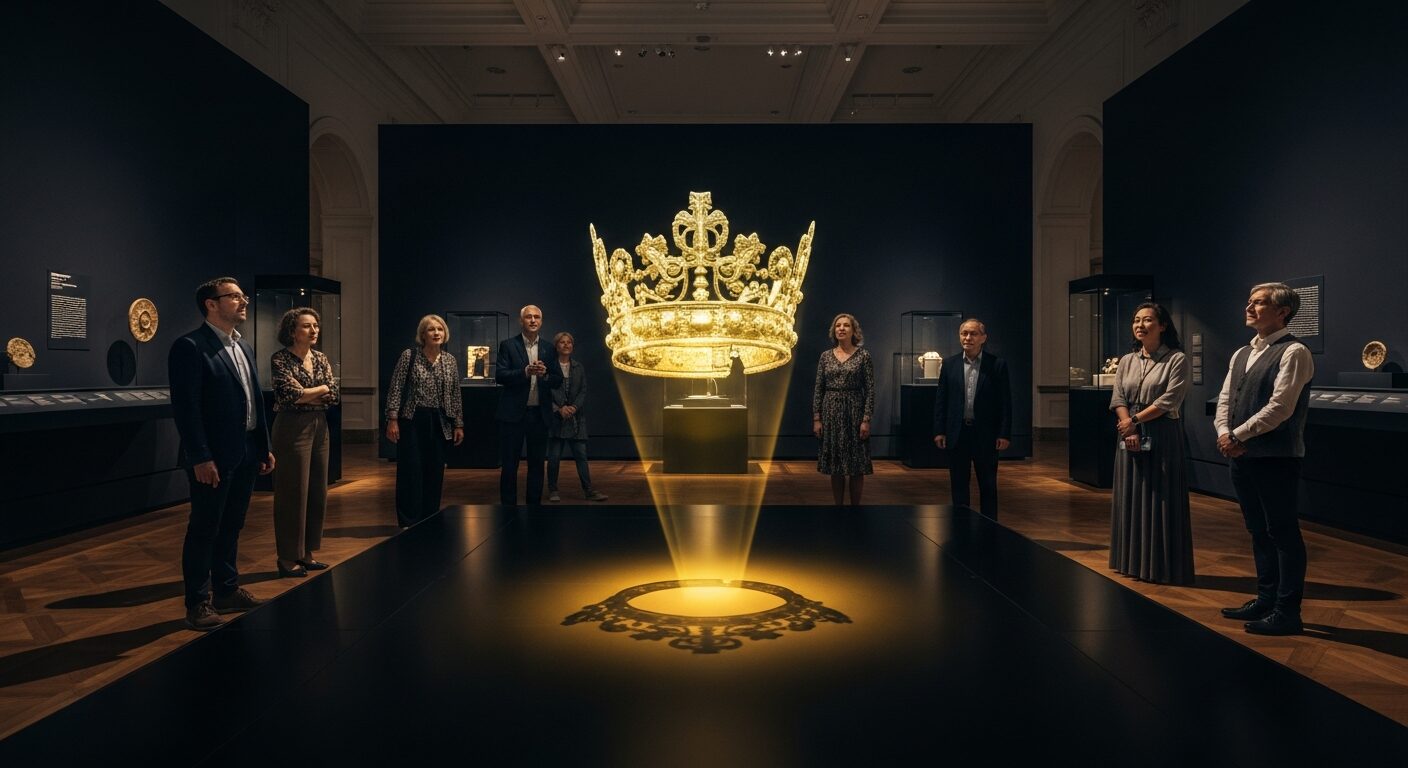
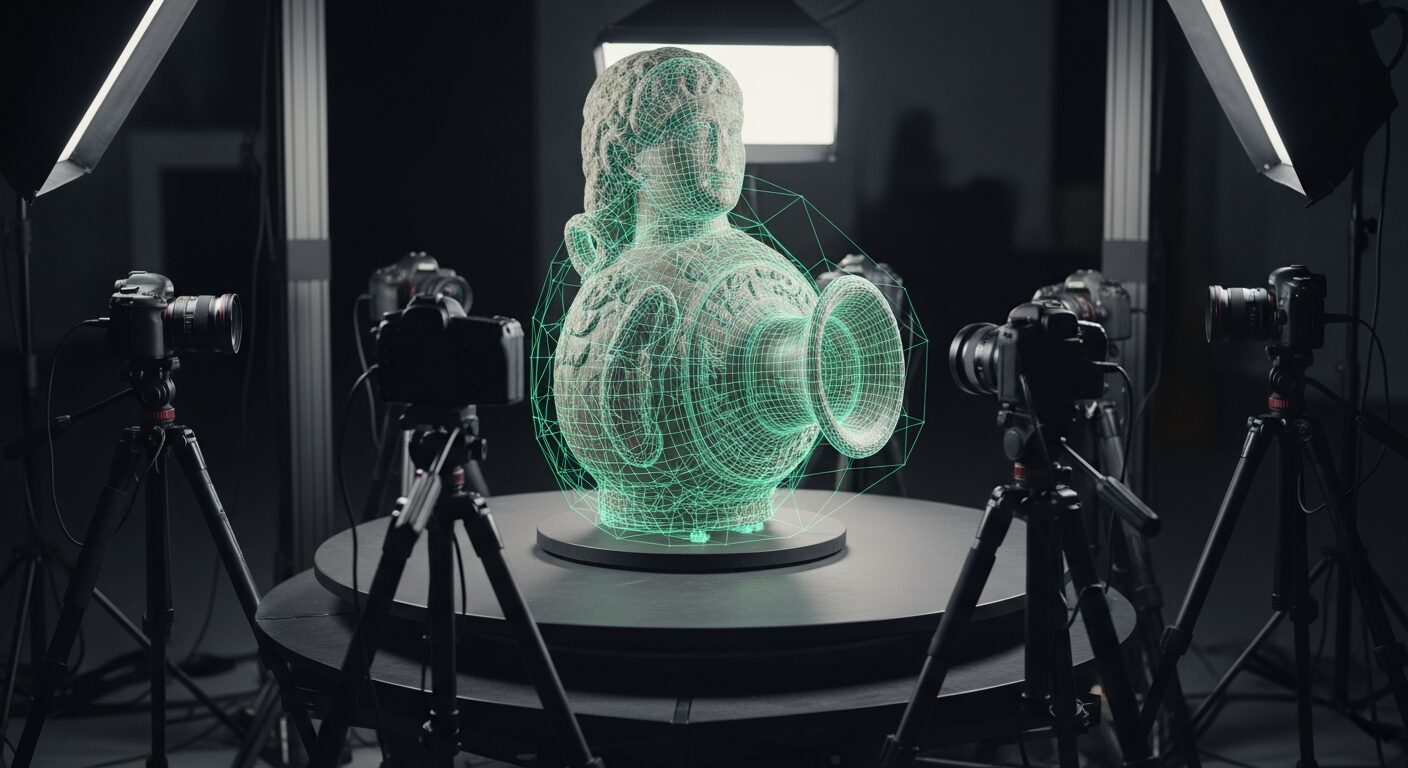
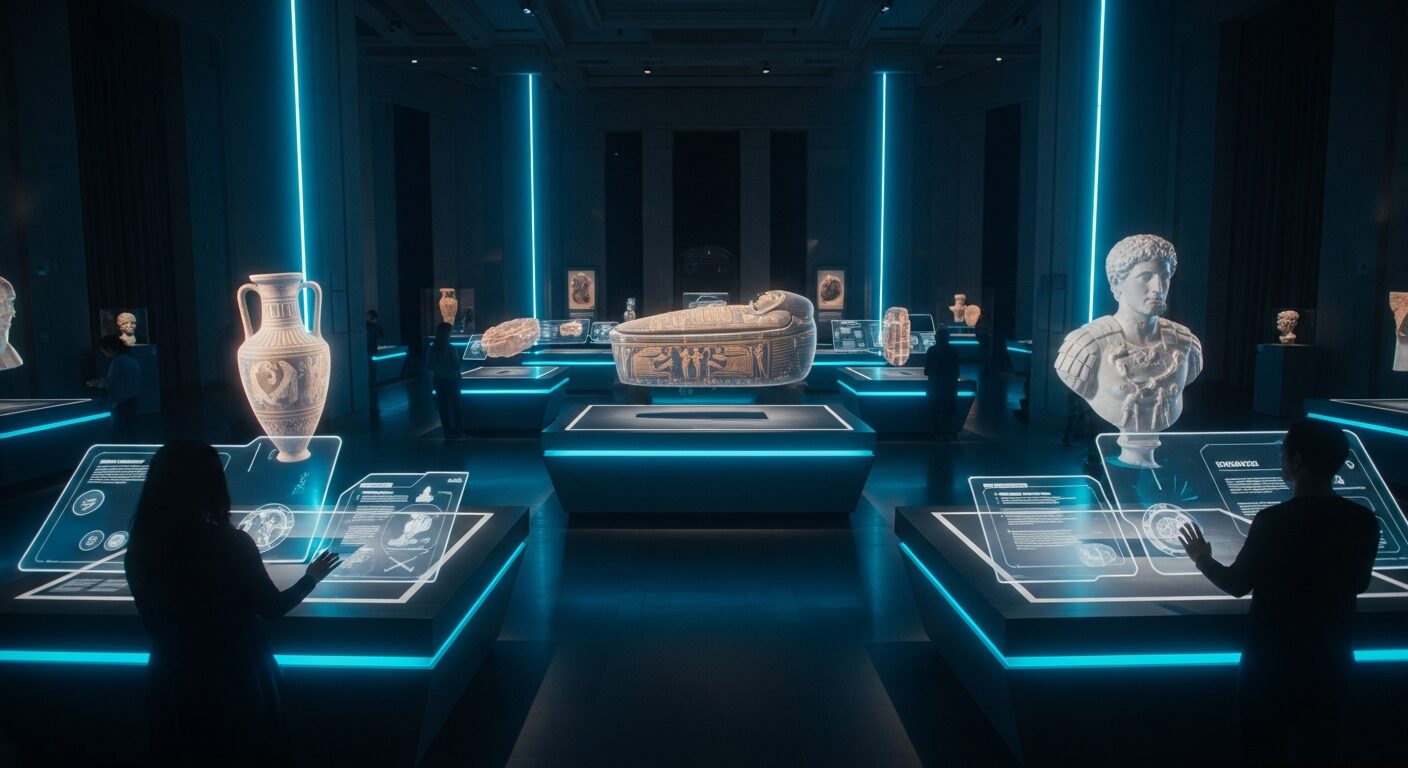
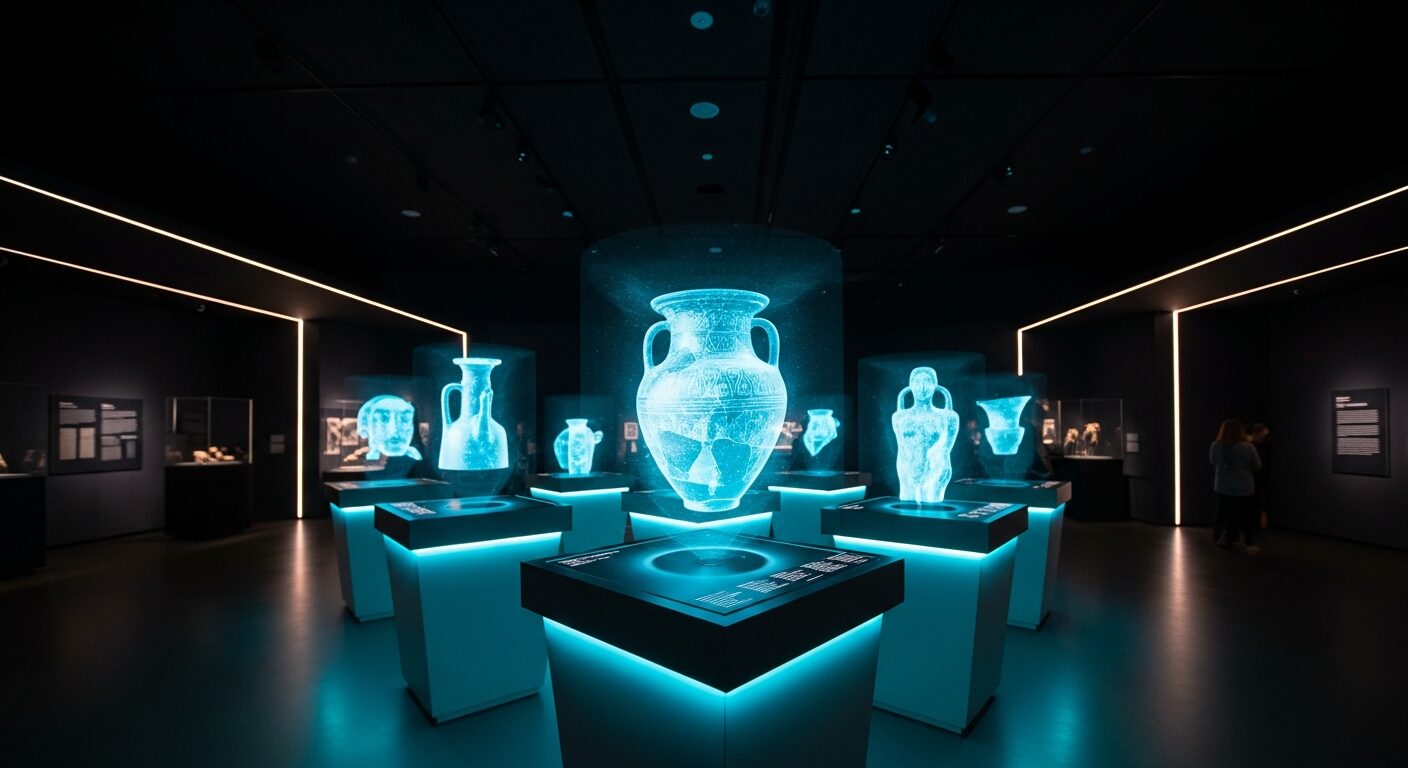
Holographic displays serve multiple functions within museum environments. They can present fragile or restricted artefacts as interactive 3D holograms that visitors can examine from multiple angles without risking physical objects. They can bring historical figures to life through holographic stage presentations — first-person accounts of historical events delivered by life-sized holographic personas.
Where immersive installations are deployed
Hologram wall installations create large-format storytelling environments where historical narratives unfold through layered visual content with depth and spatial presence. These are particularly effective for presenting timeline-based stories, geographic journeys, and cultural narratives that benefit from visual scale and immersive presentation.
The key to successful museum holographic installations is ensuring the technology serves the interpretive objective. The most effective museum holograms feel like natural extensions of the exhibition narrative rather than technological showcases inserted into gallery spaces.
Interactive Exhibition Surfaces
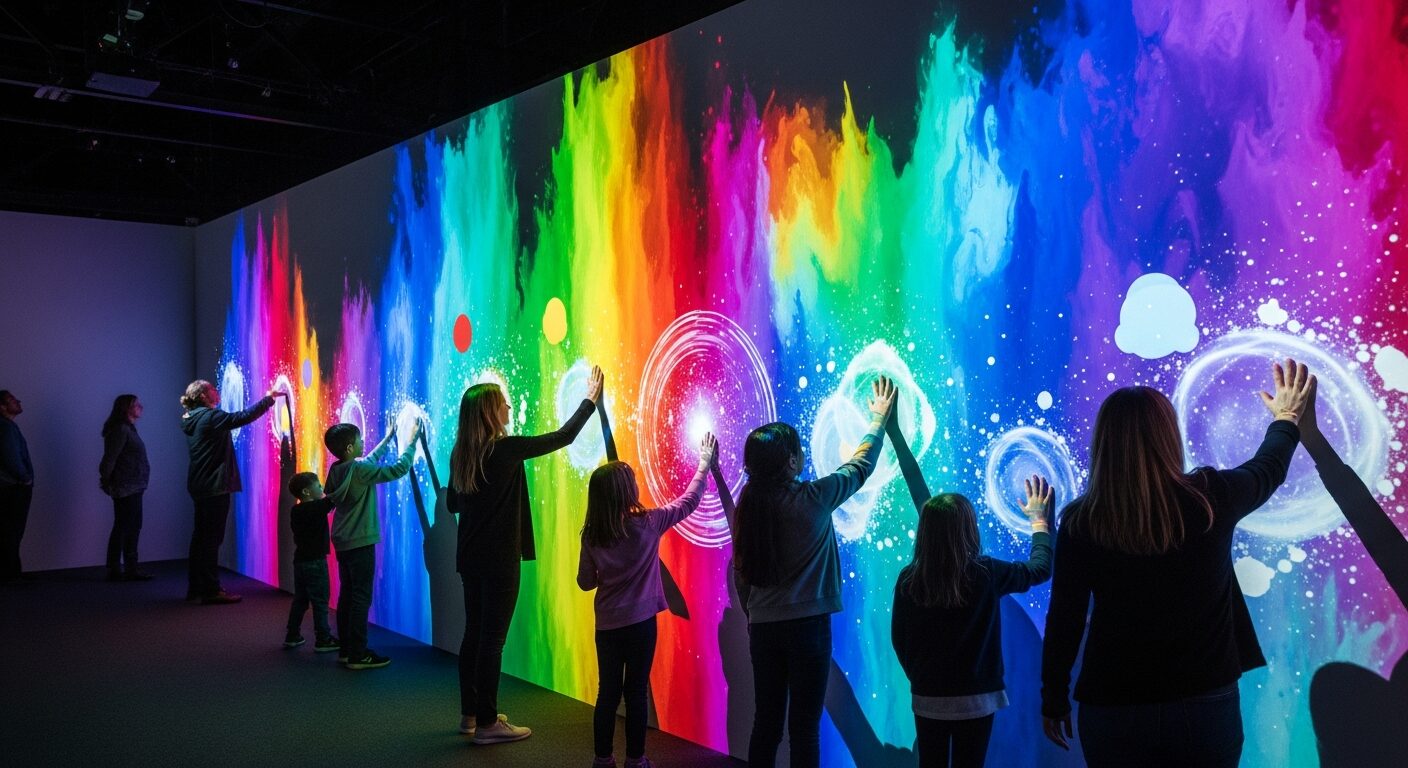
Interactive projection and touch-based surfaces enable visitors to actively engage with exhibition content rather than passively observing it. Interactive walls allow visitors to explore detailed information by touching or gesturing — zooming into artefact details, navigating timelines, selecting languages, and accessing multimedia content at their own pace.
Interactive projection system architecture
Interactive floor installations create discovery experiences in circulation spaces — transforming museum corridors into engagement zones where the ground reveals hidden content, historical maps, or playful interactions as visitors walk through. These are particularly effective in children's galleries and family-oriented exhibitions.
Gesture-based interaction systems enable touchless engagement with exhibits — visitors can rotate 3D-scanned artefacts, navigate virtual environments, and control media presentations through natural hand movements. This approach is increasingly valued for both hygiene considerations and the sense of magical interaction it creates.
Immersive Projection Environments for Storytelling
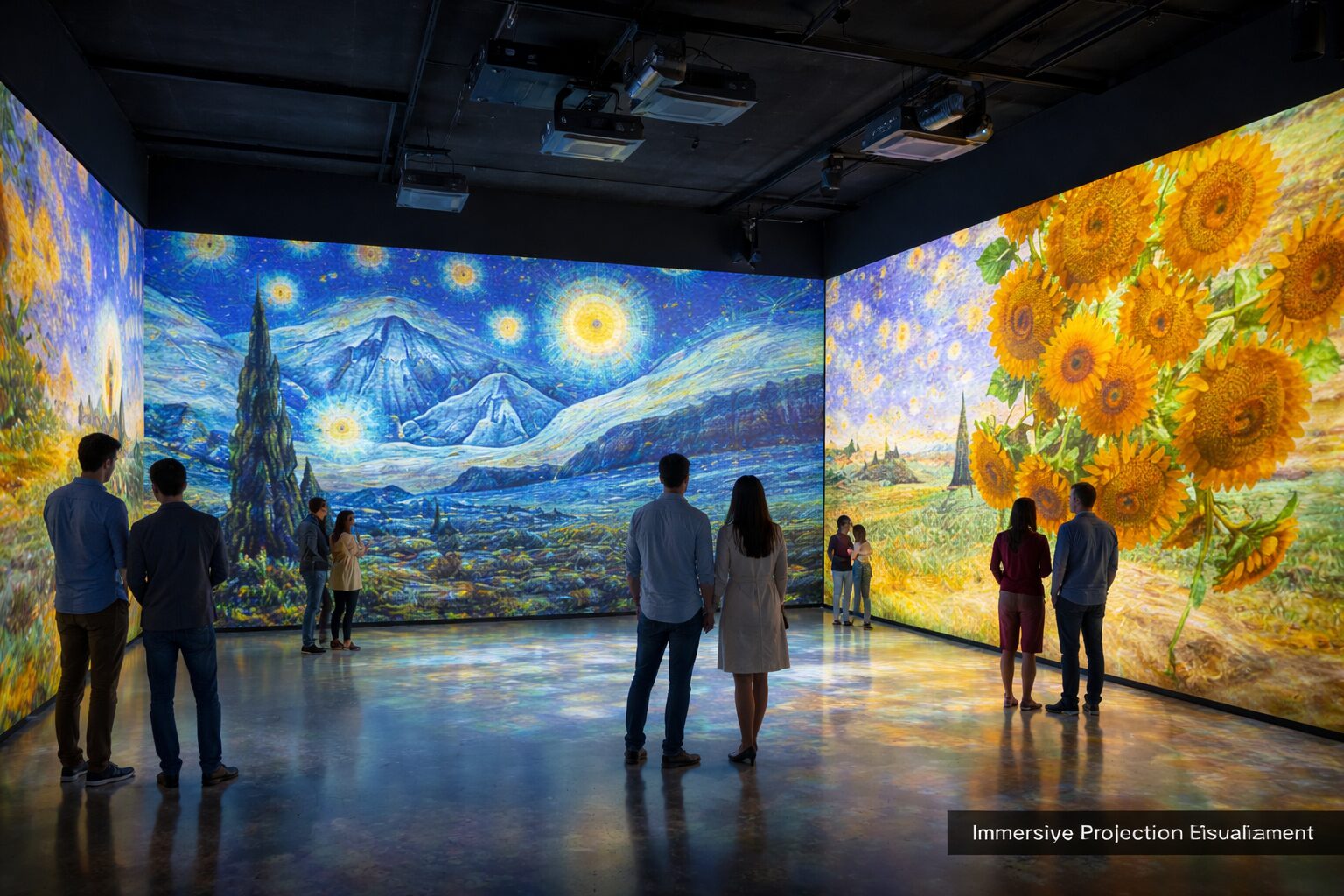
360-degree immersive projection environments represent the most impactful form of museum digital technology. These installations surround visitors with projected imagery across all surfaces — walls, floor, and ceiling — creating the sensation of being transported to different times, places, and environments.
Museums use immersive projection for historical recreations (walking through ancient cities, standing on historical battlefields), natural environment experiences (coral reefs, rainforest canopies, polar landscapes), and artistic immersion (stepping inside famous artworks or architectural masterpieces).
The narrative design of immersive museum environments is critical. Each experience must have a clear storytelling arc — a beginning, progression, and resolution that takes visitors on an emotional journey. The most successful immersive exhibitions combine visual spectacle with substantive educational content, ensuring that the technology amplifies rather than replaces the museum's interpretive mission.
Planning Museum Technology Integration
Successful museum technology integration requires careful planning that begins with the interpretive objectives rather than the technology specifications. The fundamental question is always: what story needs to be told, and how does technology help tell it better than conventional display methods?
Institutional considerations include conservation requirements (ensuring technology installations don't affect environmental controls or collection safety), accessibility standards (ensuring digital installations are usable by visitors with disabilities), and operational sustainability (ensuring staff can operate and maintain systems without specialist technical support).
Content management is a critical long-term consideration. Museum exhibitions evolve — temporary shows change, permanent galleries are refreshed, and new research updates existing narratives. Technology systems must support content updates without hardware modifications, ideally through intuitive content management platforms that curatorial teams can operate independently.
Related Technologies
Explore the capabilities mentioned in this article.
Related Solutions
Frequently Asked Questions
Do immersive technologies distract from museum collections?
When designed well, immersive technologies enhance rather than compete with collections. The key is narrative-first design — technology should serve the story and the objects, creating context and engagement that deepens visitors' connection with the collection.
How durable are museum digital installations?
Commercial-grade museum installations are designed for continuous public operation over many years. Hardware is specified for reliability and serviceability, with remote monitoring and preventive maintenance programmes that minimise downtime.
Can interactive exhibits handle high visitor volumes?
Yes. Museum interactive installations are designed for high-throughput environments with simultaneous multi-user support, durable touch surfaces, and content pacing that ensures each visitor receives a meaningful experience even during peak periods.
What about visitors who prefer traditional displays?
The best museum technology strategies layer digital experiences alongside traditional displays rather than replacing them. Visitors can choose their level of engagement — some will interact deeply with digital content while others prefer contemplating physical objects, and the gallery design accommodates both approaches.
Related Articles
Planning a Holographic Installation?
Our experience design team creates immersive holographic environments for museums, experience centres, and public installations.