
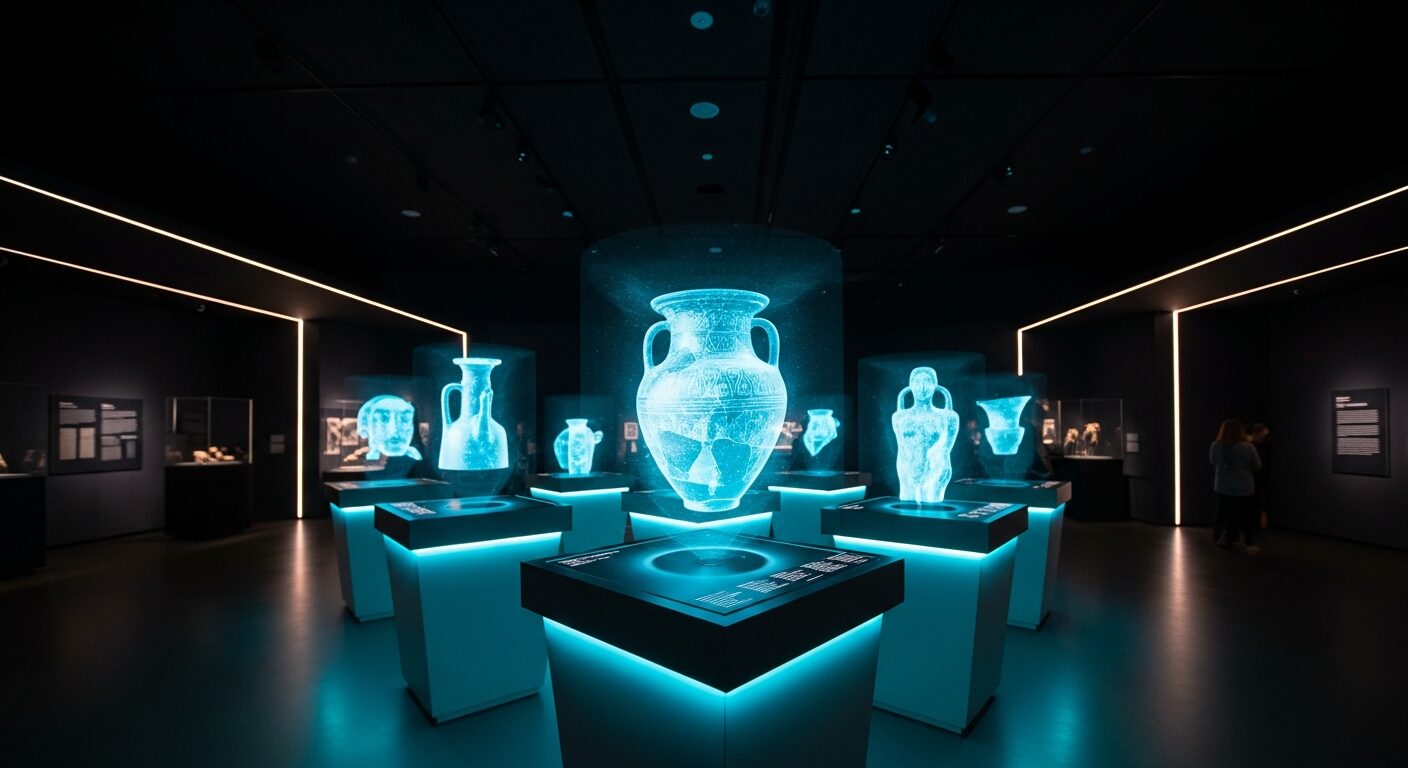
Heritage Digital Museum Solutions
Preserve and present historical artefacts through LiDAR 3D scanning, interactive hologram showcase displays, and virtual heritage museum platforms.
Heritage institutions face challenges of physical fragility and limited display space. Vision3D creates digital museum solutions through 3D digitisation, holographic presentation, and interactive exploration.
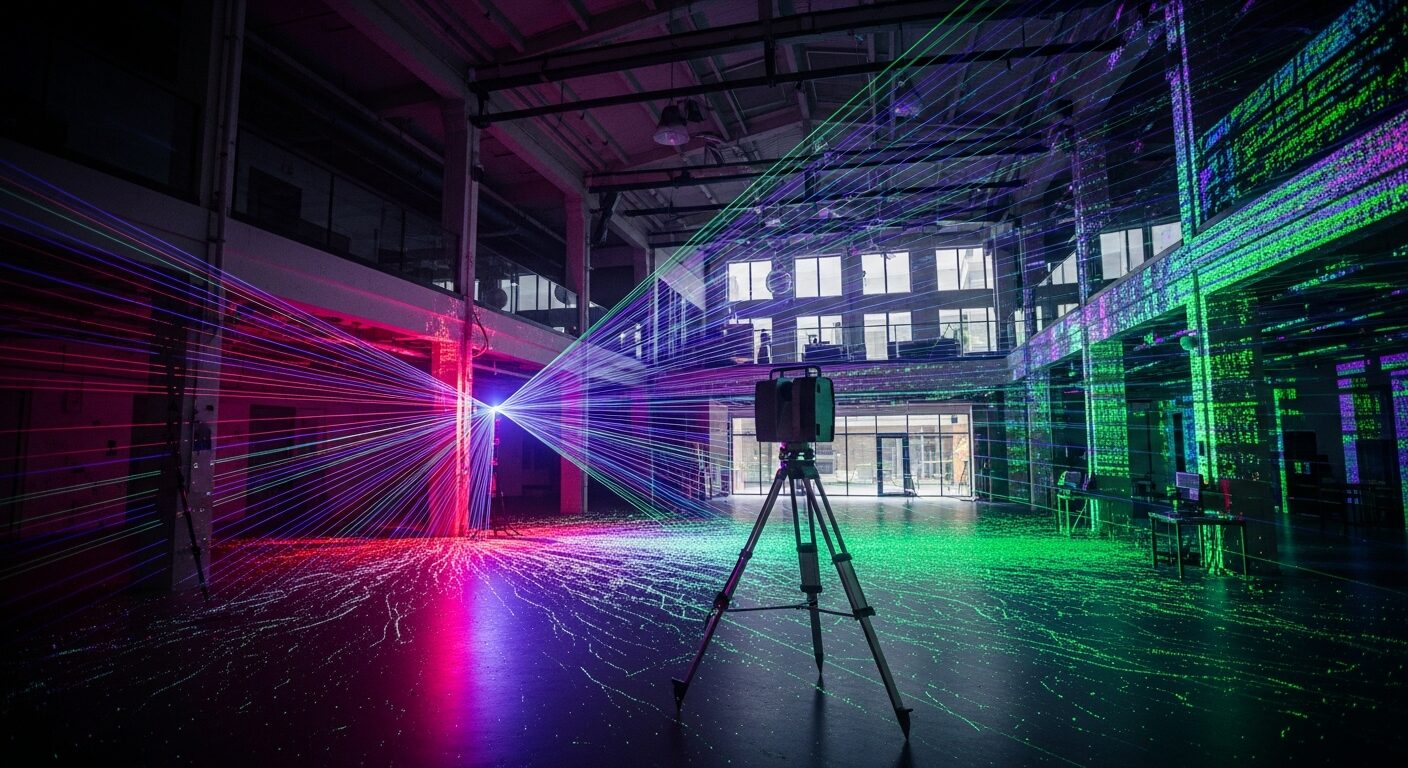
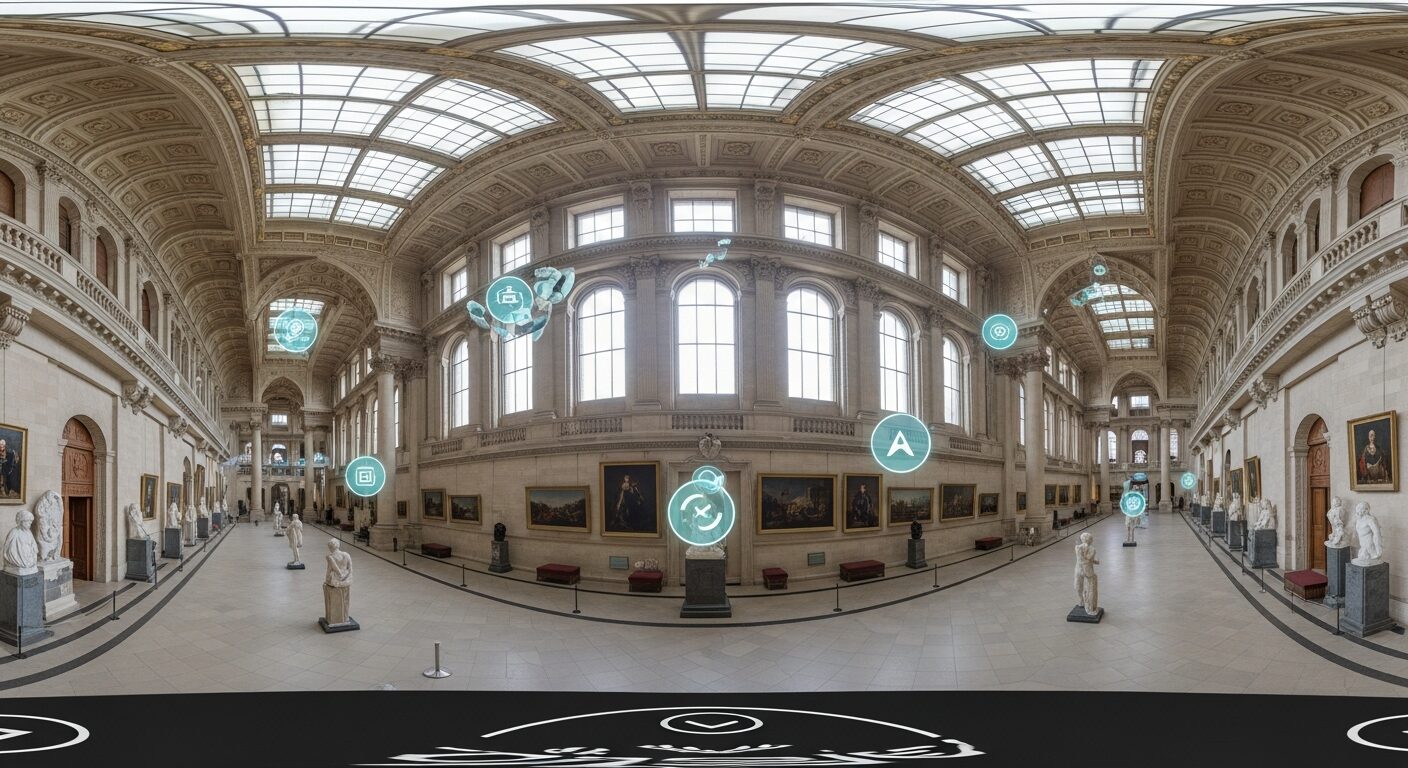
Our solutions begin with preservation - using LiDAR scanning to create permanent digital records of buildings and artefacts. These assets become the foundation for hologram walls that present fragile objects for public exploration and virtual tour platforms that extend reach worldwide.
Vision3D works with heritage professionals to ensure every digital intervention respects the integrity of the collection while creating meaningful connections through immersive projection and spatial storytelling.
Industry Challenges
Fragile & Restricted Collections
Many heritage objects are too fragile, valuable, or sensitive for permanent public display - yet deserve accessible presentation that connects audiences with their significance.
Limited Physical Display Space
Heritage institutions often hold collections far larger than their exhibition space can accommodate, with significant holdings remaining in storage inaccessible to the public.
Connecting Contemporary Audiences
Heritage institutions must find ways to engage younger, digitally-native audiences without compromising scholarly standards or institutional gravitas.
Preservation Documentation
Cultural assets face ongoing risks from environmental degradation, natural disasters, and conflict - requiring permanent digital documentation for preservation and future restoration.
How Vision3D Solves This
Comprehensive Digitisation
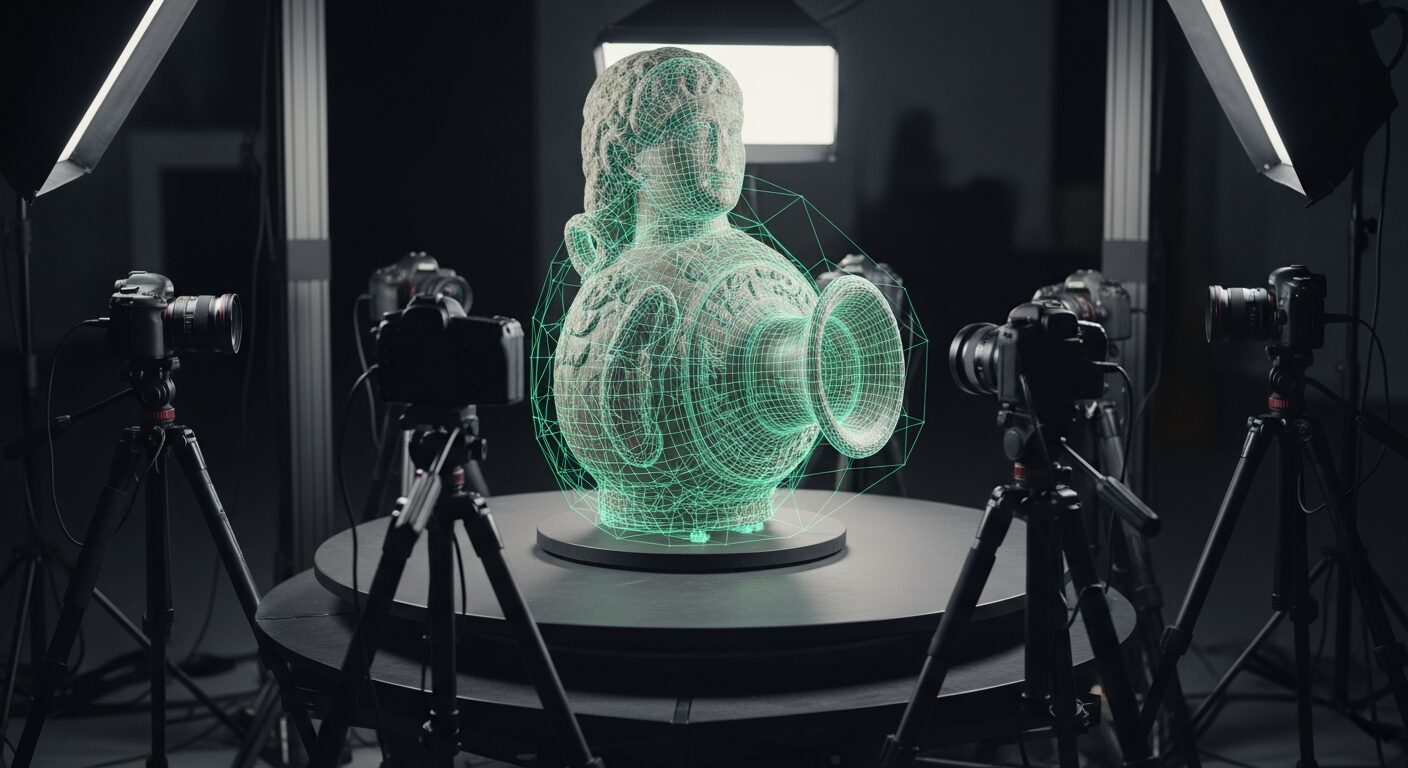
We digitise entire collections using photogrammetry and structured-light scanning, creating high-fidelity 3D replicas that serve display, research, preservation, and virtual access purposes simultaneously.
Holographic Object Showcase
We present digitised artefacts as interactive holographic displays - allowing visitors to examine objects from every angle, zoom into details, and access contextual information without physical handling.
Spatial Heritage Storytelling
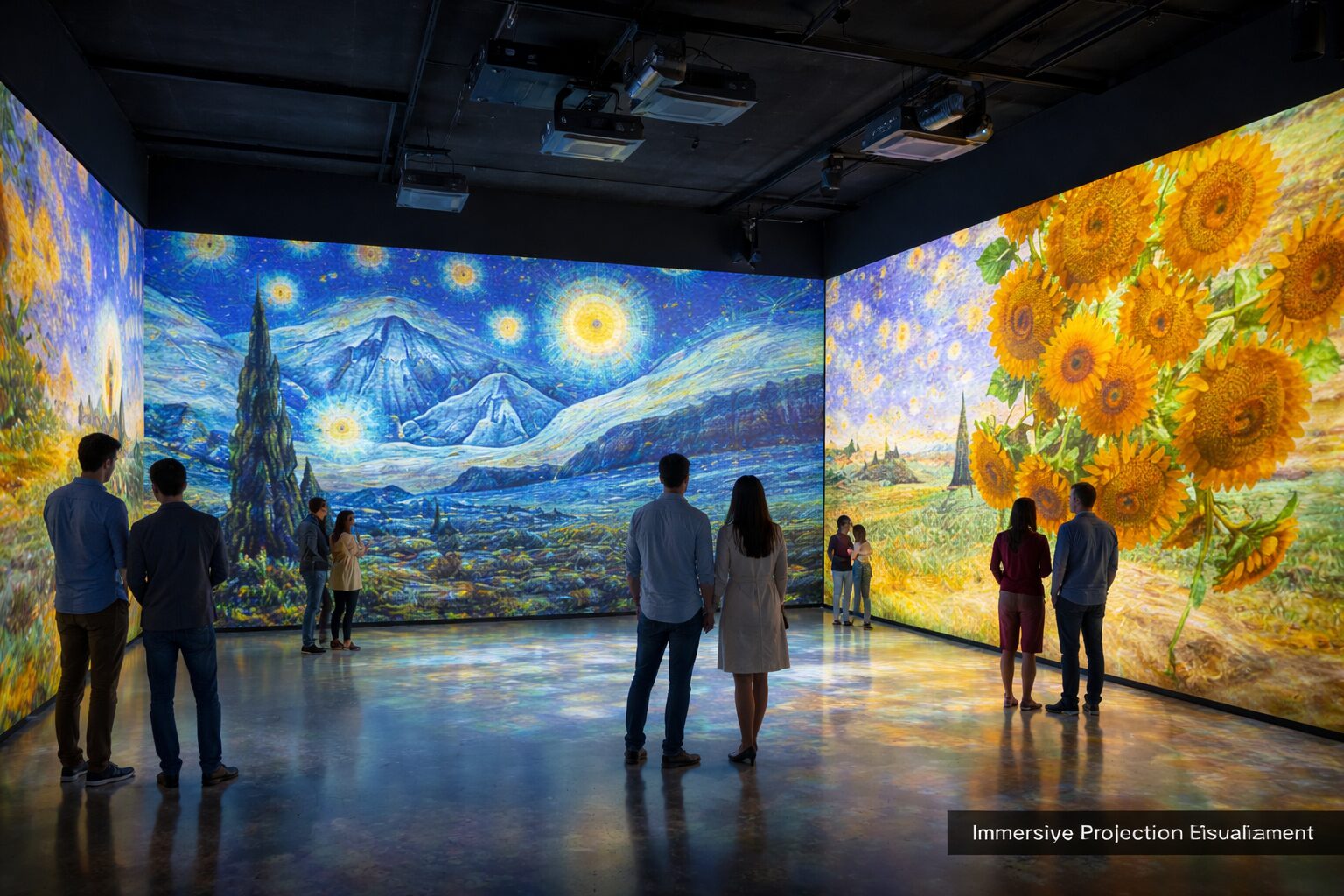
We design immersive environments that transport visitors to historical contexts - archaeological sites, ancient markets, historical events - using projection, spatial audio, and environmental design.
Global Virtual Access
We produce virtual tour and online collection platforms that extend institutional reach to global audiences - researchers, students, diaspora communities, and heritage enthusiasts worldwide.
Technologies Used
This solution draws on the following capabilities from our technology portfolio.
Example Project Scenarios
Heritage Collection Digital Museum
A comprehensive digital museum featuring 500+ 3D-digitised artefacts presented through holographic showcase displays, interactive exploration tables, and an online virtual collection accessible worldwide.
Archaeological Site Interpretation
A site interpretation centre combining LiDAR-scanned site models, holographic reconstruction of original structures, interactive archaeological layer exploration, and immersive projection environments presenting historical habitation periods.
Memorial Digital Archive
A digital preservation and presentation project combining oral history recordings, photographic archives, and 3D-digitised memorial objects into an interactive holographic exhibition and permanent digital archive.
Frequently Asked Questions
Find answers to the most common questions about this solution, implementation options, and project requirements.
A heritage digital museum integrates comprehensive digitisation, holographic presentation, interactive exploration, and virtual access platforms to extend and enhance the reach of a heritage collection. Unlike a conventional museum limited by physical display space, a heritage digital museum can present its entire collection holographically, offer global virtual access, and update exhibitions without major physical interventions.
Vision3D uses photogrammetry and structured-light scanning to capture heritage objects at exceptional fidelity - creating accurate 3D digital replicas that preserve fine surface detail, colour, and texture. For large structures and sites, LiDAR scanning produces millimetre-accurate spatial models. Digitisation methodologies are selected based on object size, surface characteristics, and required output resolution.
Digitised objects are presented as interactive holographic displays - visitors can examine them from every angle, zoom into microscopic detail, and access conservation notes and provenance information that would be impossible with physical display. Holographic presentation means fragile, restricted, or currently inaccessible objects can be made fully available to the public without any risk to the originals.
Yes. LiDAR-scanned and photogrammetrically documented heritage sites - archaeological sites, historic buildings, cultural landscapes - are produced as interactive virtual tour platforms accessible online and through dedicated kiosk systems. These virtual experiences are particularly valuable for sites with restricted physical access or international diaspora communities unable to visit in person.
Vision3D embeds heritage professionals, historians, and conservators as collaborators throughout the project - not as approvers at the end. Subject matter experts are involved in defining content narratives, validating scholarly accuracy, reviewing digitisation methodologies, and approving all interpretive content. Digital interventions are designed to enhance rather than compromise scholarly value.
Yes, and this dual-purpose value is a core argument for investment in heritage digitisation. The same 3D models produced for holographic display can serve conservation documentation, condition monitoring over time, 3D printing of study replicas, international research access, and emergency reconstruction reference - making the investment significantly more cost-effective than display alone.
Prioritised digitisation programmes are standard practice. Vision3D works with curatorial teams to develop phased digitisation programmes - typically beginning with the most significant, fragile, or frequently requested objects before progressing through the wider collection. Digitisation pipelines are designed for efficient throughput, making large-scale collection projects feasible within reasonable timescales and budgets.
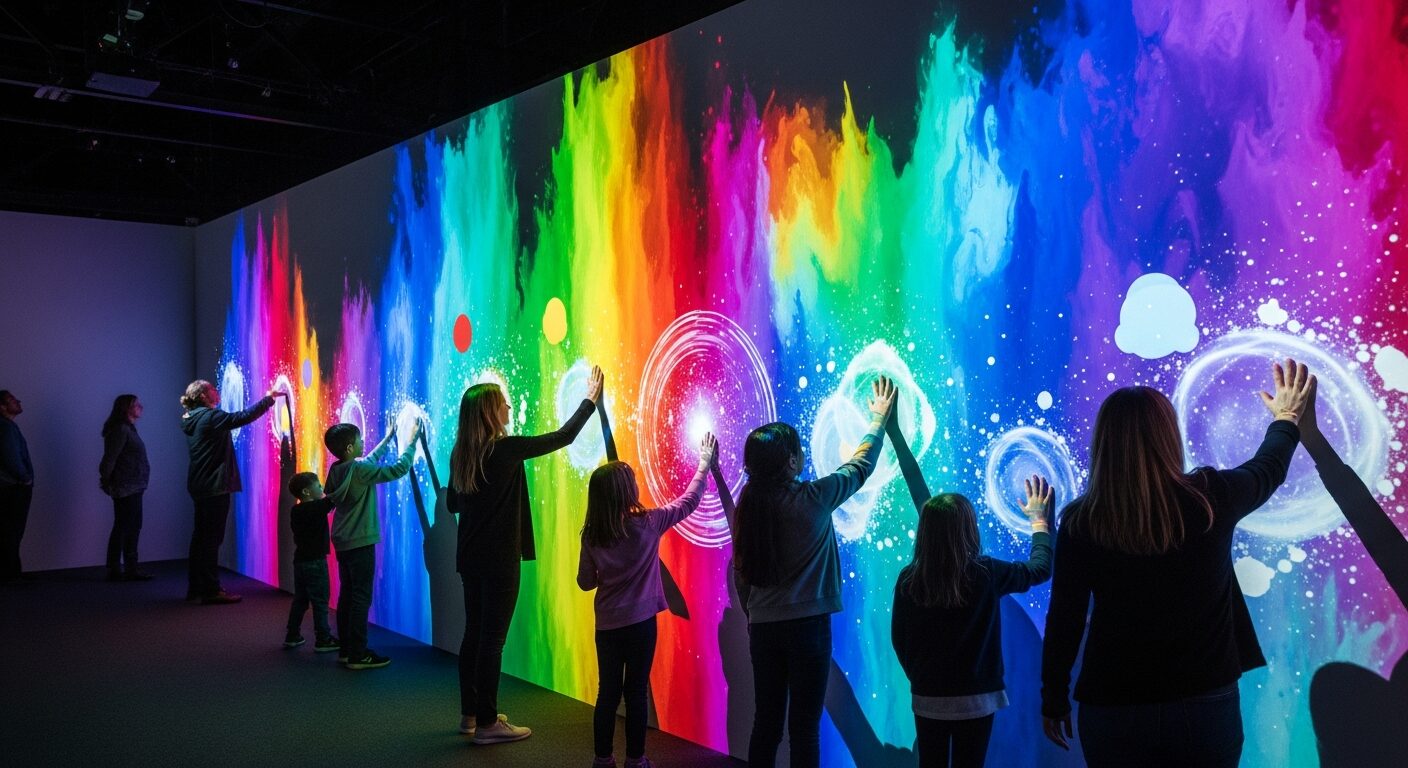
Holographic and interactive heritage experiences are particularly effective with younger audiences - presenting heritage through immersive environments, interactive exploration, and narrative-driven spatial storytelling that aligns with contemporary digital experience expectations. Vision3D designs engagement layers for different audience profiles, including children's discovery modes, educational group programmes, and deep-content exploration for researchers.
Basic requirements include adequate power supply, appropriate ambient light control in display zones, and structural capacity for overhead projection or mounting systems. Vision3D conducts full technical site assessments before finalising design and provides detailed infrastructure specifications for any required building modifications. Many heritage buildings can be served without significant infrastructure changes.
Digital preservation is addressed at the data layer - all digitisation outputs are produced in open, non-proprietary formats (OBJ, PLY, TIFF, E57) that will remain accessible regardless of display technology changes. Content management systems are designed to support output to future display formats as technology evolves. The asset - the high-fidelity digital record - outlasts any specific display technology.
Bring This Solution to Life
Tell us about your project. We'll explore how heritage digital museum solutions can transform your space and engage your audience.