
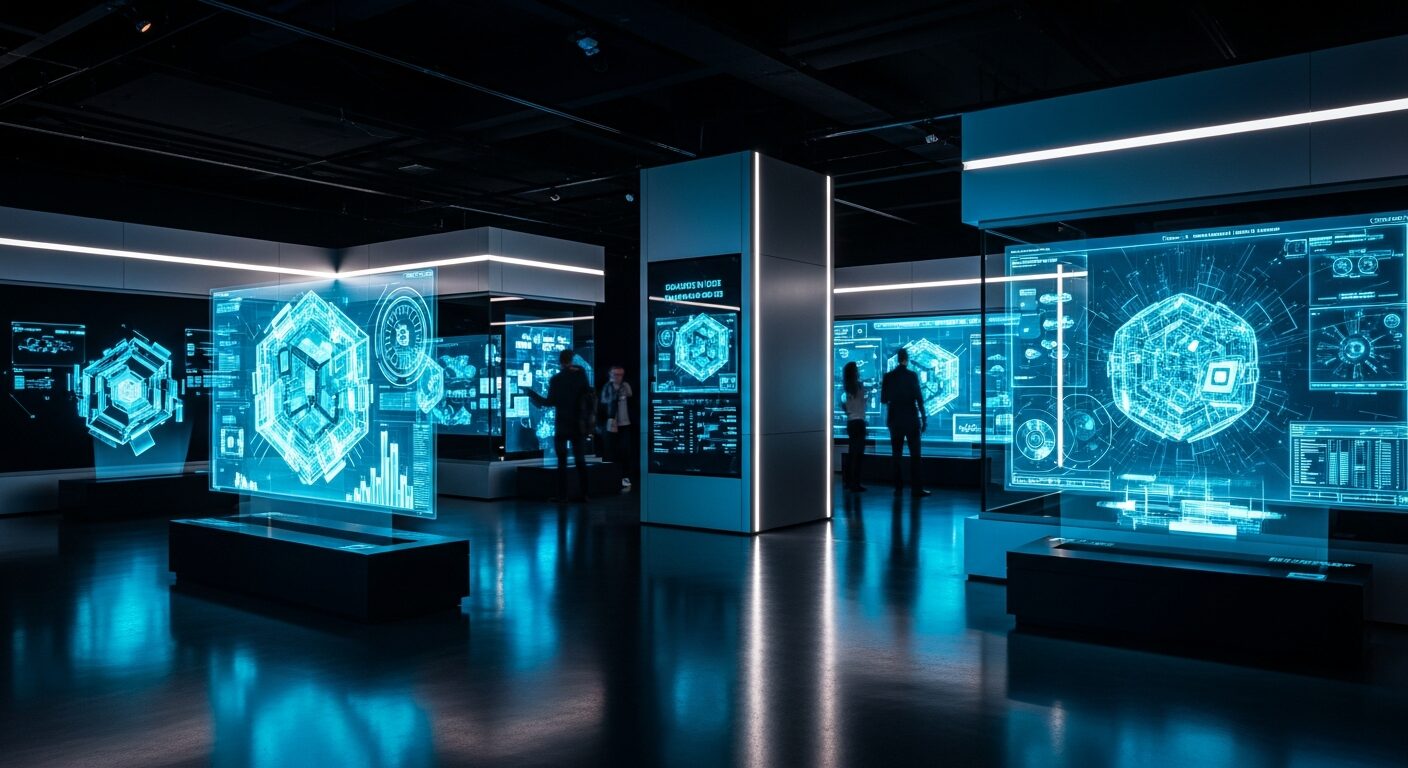
Hologram Experience Centres – Immersive Digital Engagement
Designing an immersive experience centre is one of the most complex and rewarding challenges in spatial design. It requires the integration of narrative design, architectural planning, technology engineering, content production, and operational systems into a unified visitor experience that communicates organisational stories with lasting impact.
This guide walks through the complete experience centre design process — from initial concept development through deployment and ongoing operation — providing a framework for organisations planning their own immersive environments.
Concept Development and Stakeholder Alignment
Every successful experience centre begins with a clear understanding of its purpose. The concept development phase defines what the experience centre must communicate, to whom, and what visitor outcomes are desired. This requires deep engagement with organisational stakeholders — leadership teams, marketing directors, subject matter experts, and operational managers.
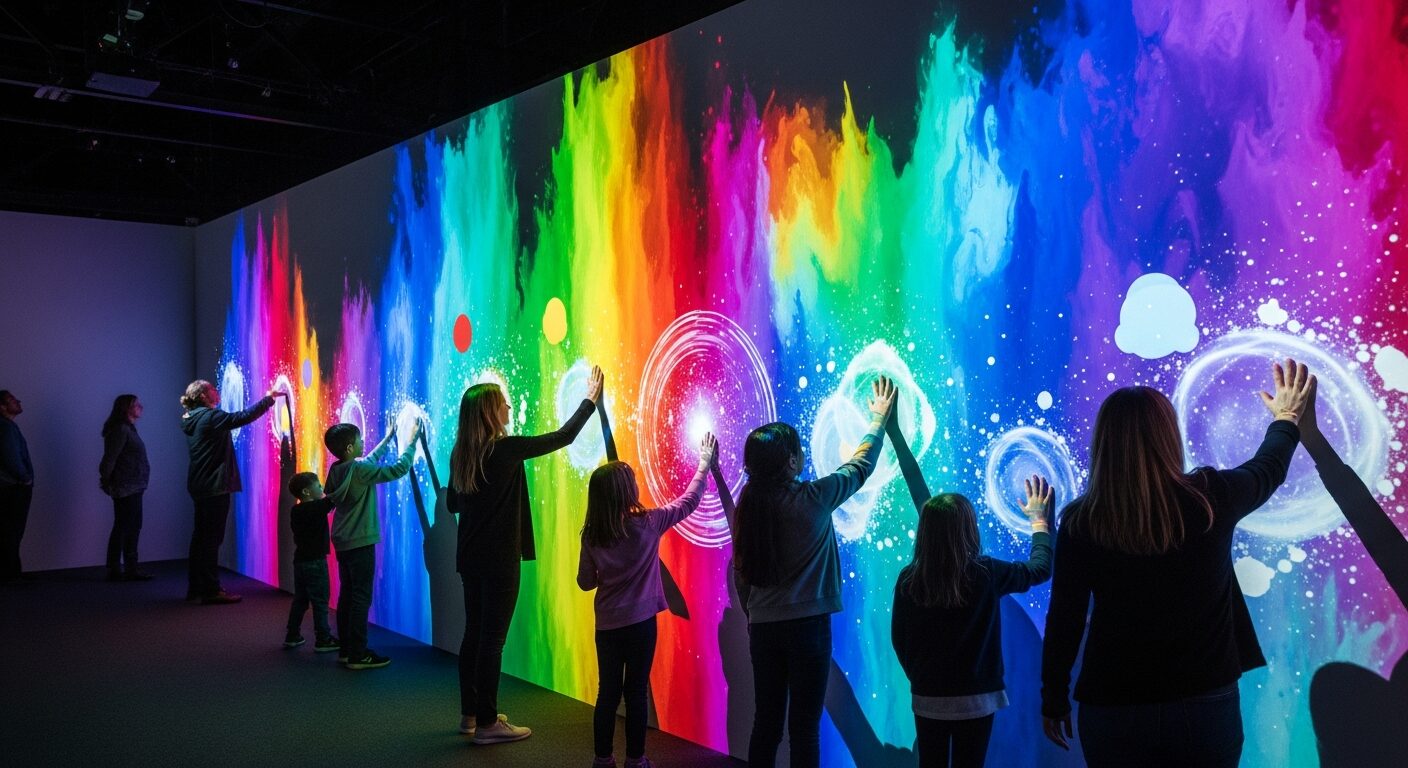
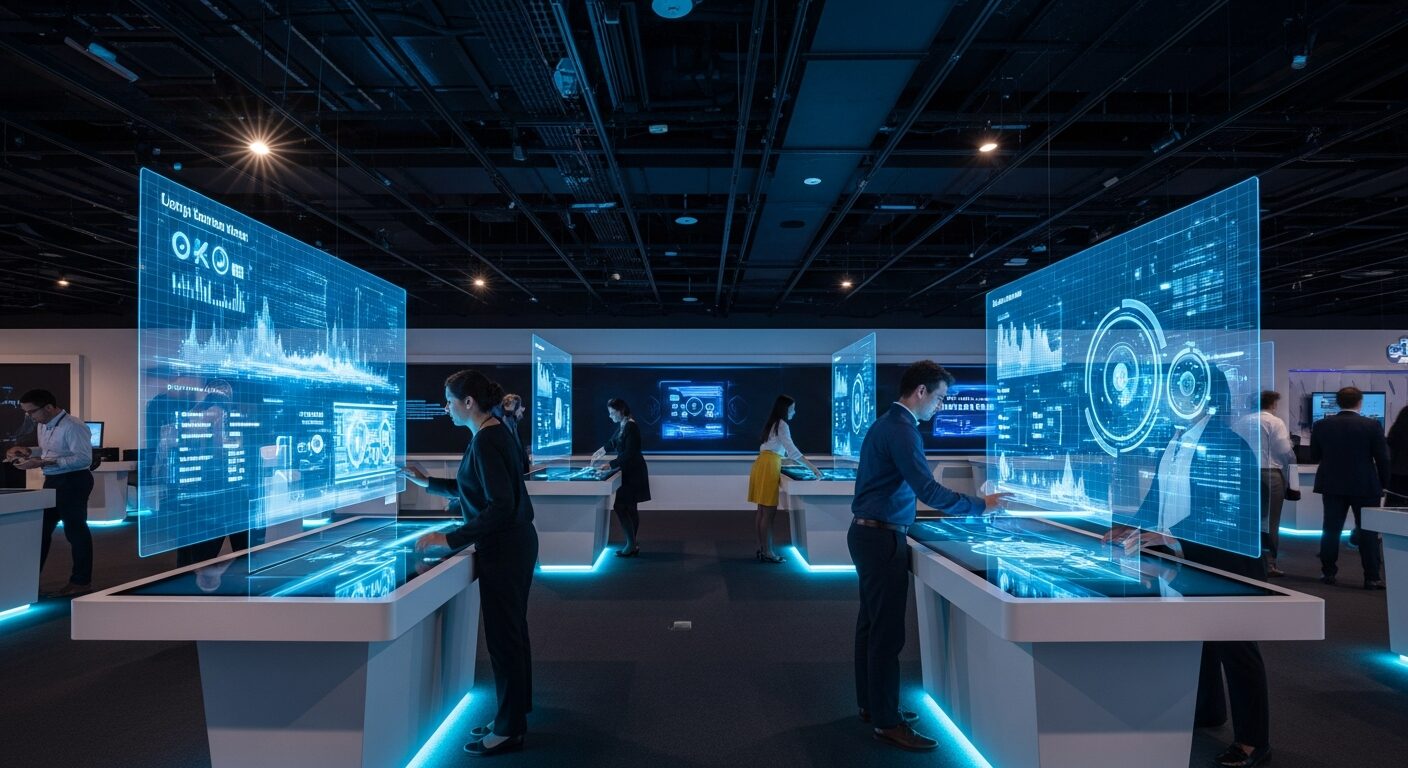
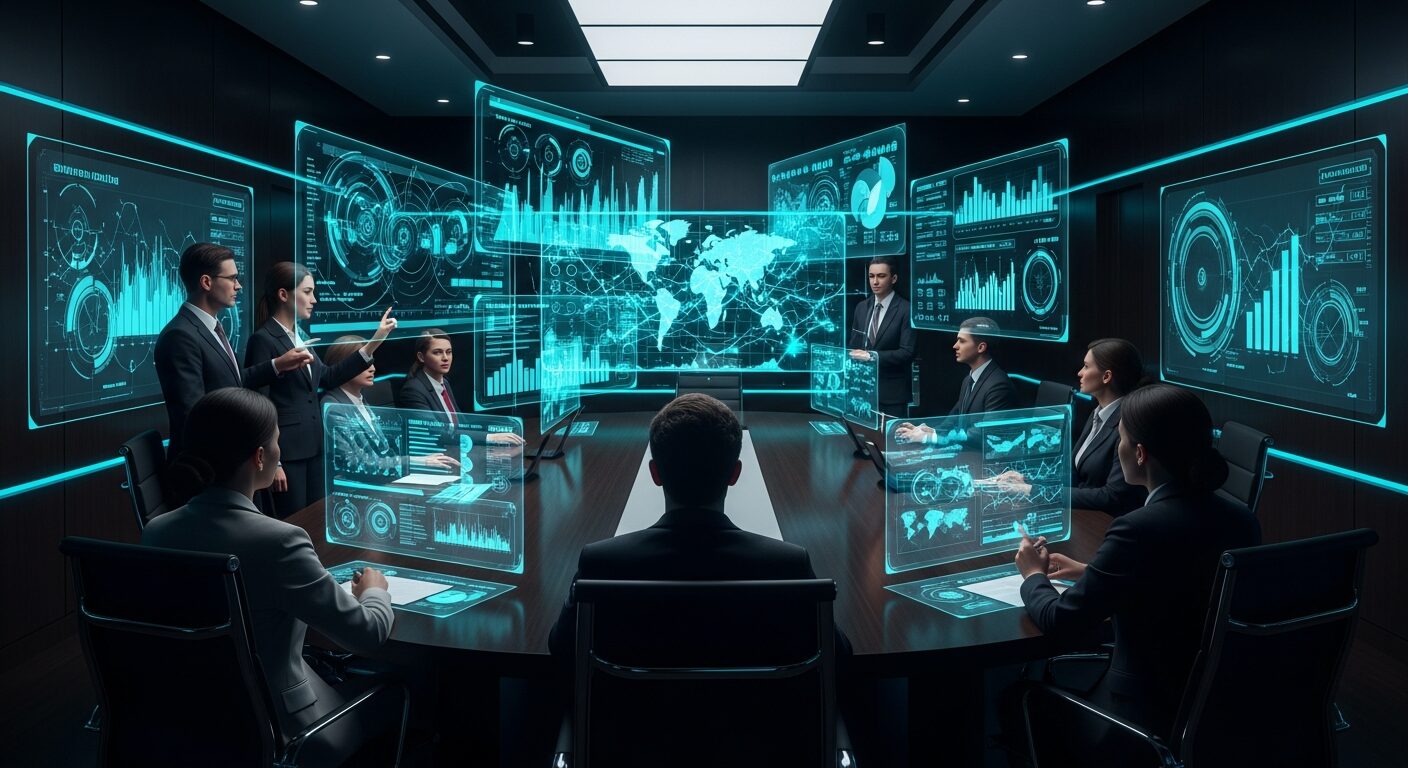
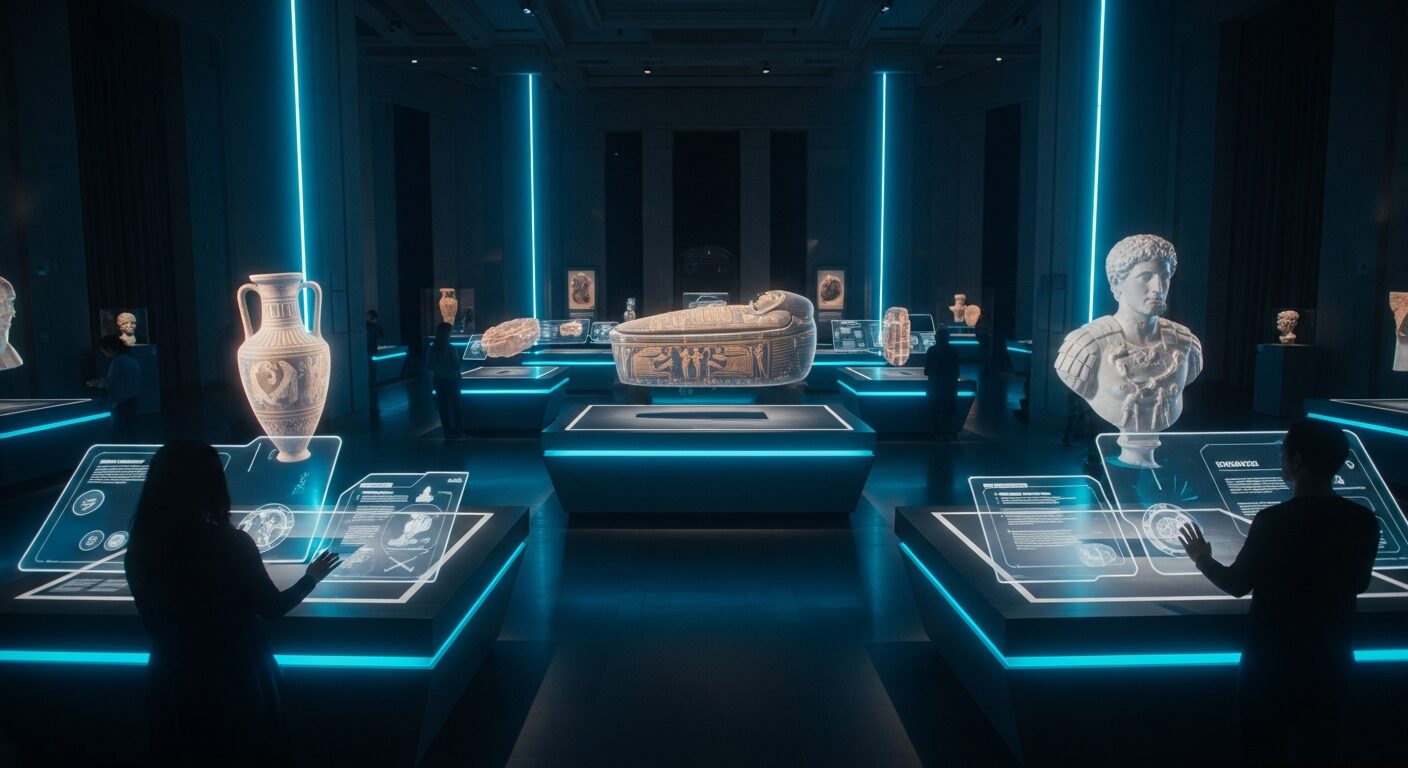
Where immersive installations are deployed
Key questions to resolve during concept development include: What are the core messages the experience centre must convey? Who are the primary visitor audiences, and what do they need to take away? How does the experience centre support broader organisational objectives? What operational model will sustain it long-term?
The output of concept development is a clear creative brief that defines the narrative themes, visitor journey structure, emotional objectives, and experience benchmarks. This brief becomes the foundation for all subsequent design decisions — ensuring that technology choices, content development, and spatial design all serve the agreed strategic purpose.
Visitor Journey Mapping and Spatial Planning
Visitor journey mapping translates the creative brief into a spatial narrative — defining the sequence of experiences visitors encounter as they move through the physical space. The journey map specifies entry experiences, transition zones, core interaction moments, climactic experiences, and exit sequences.
Effective journeys follow emotional arcs — beginning with an orientation moment that establishes context, building through discovery and interaction phases that deepen engagement, reaching a climactic experience that delivers maximum impact, and concluding with reflection and call-to-action moments that drive desired outcomes.
Spatial planning maps the journey onto the physical architecture — defining room layouts, circulation paths, sightlines, and environmental zones. The spatial plan must accommodate visitor flow management, accessibility requirements, technical infrastructure, and operational access while maintaining the experiential integrity of the designed journey.
Technology Selection and Integration Design
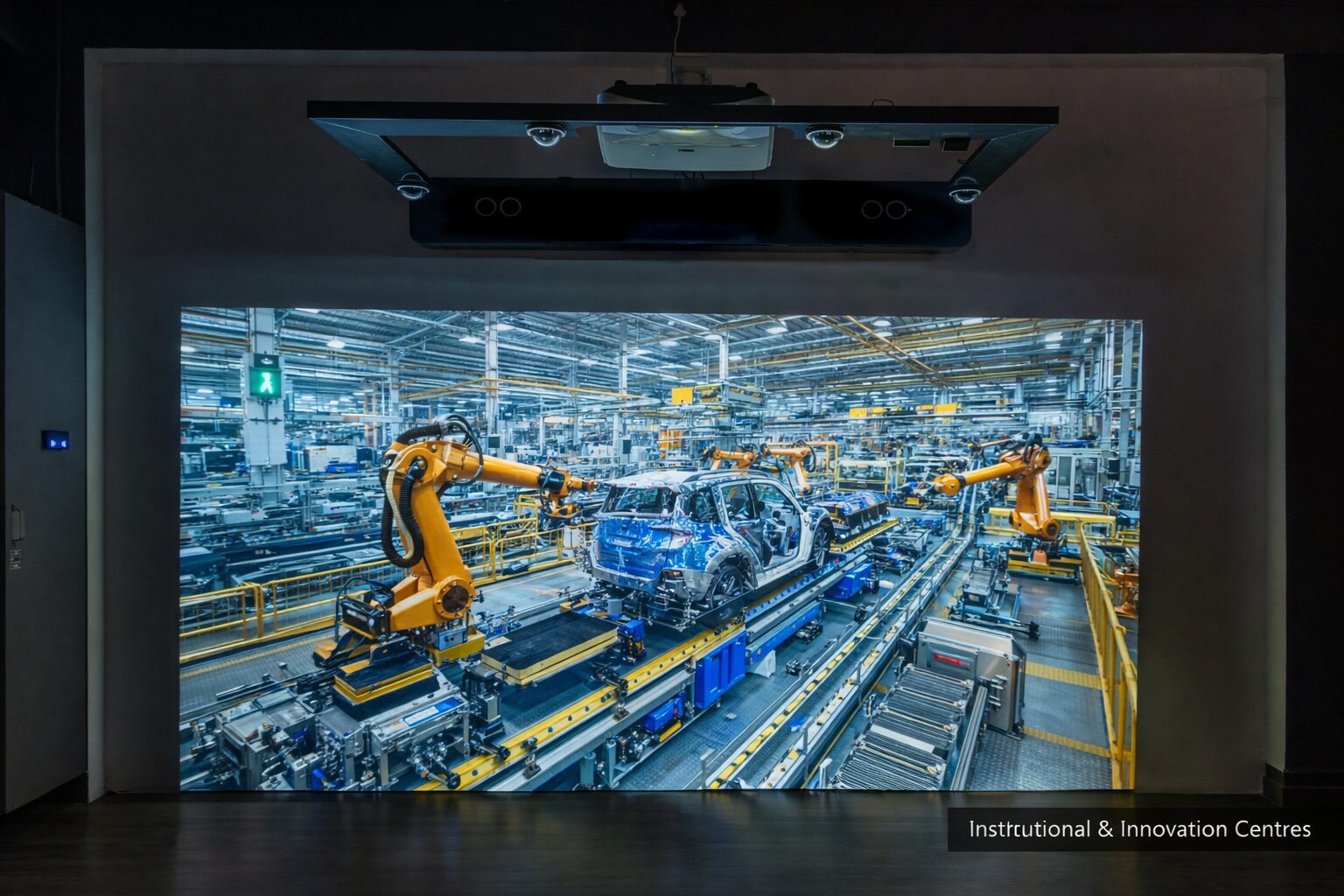
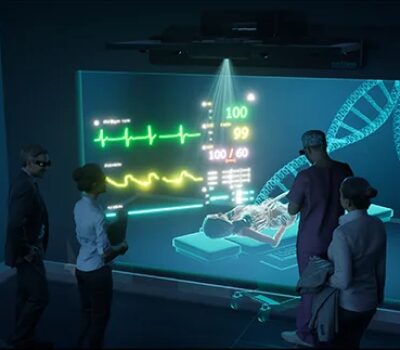
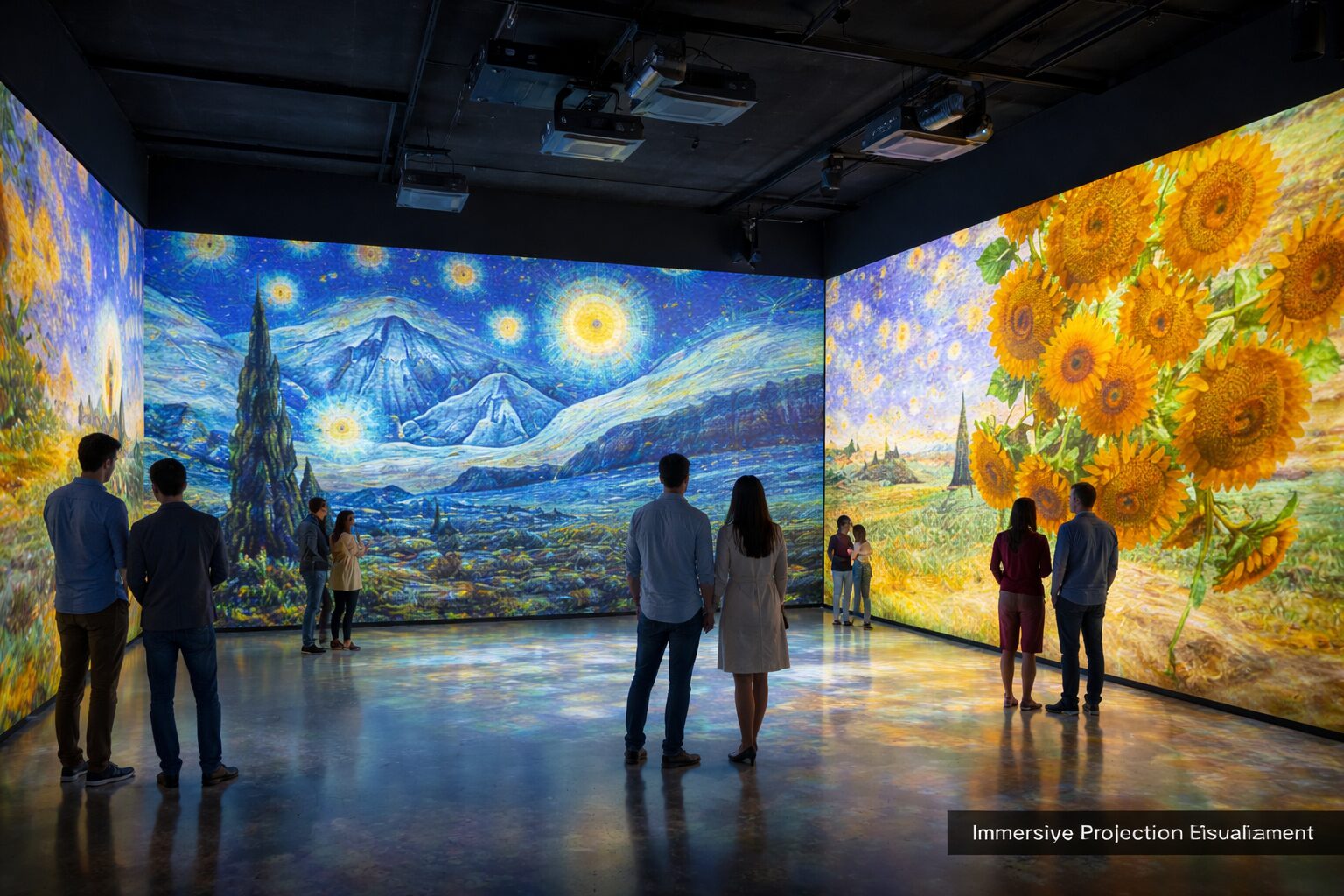
Technology selection for experience centres is driven by narrative requirements rather than specification sheets. Each zone within the experience centre demands technology that best serves its storytelling objective — holographic walls for cinematic narratives, interactive surfaces for exploratory engagement, immersive projection for environmental storytelling, gesture systems for touchless interaction.
Integration design ensures all systems work together as a unified experience rather than a collection of independent displays. This requires a centralised show control architecture that synchronises content playback, lighting, audio, and environmental effects across all zones. Transition management between zones must be seamless — visitors should not experience technology boundaries as they move through the space.
Infrastructure planning addresses the practical requirements of technology deployment — power distribution, data networking, cooling, acoustic management, and maintenance access. These systems must be designed invisibly, supporting the experience without revealing the technical complexity behind it.
Content Production and Testing
Content production for experience centres is a specialised discipline that spans video production, 3D animation, interactive application development, spatial audio composition, and graphic design. All content must be produced specifically for the display technologies and spatial contexts where it will be presented — content created for conventional screens rarely translates effectively to holographic or immersive environments.
Testing is critical and must include both technical validation and visitor experience testing. Technical testing verifies that all systems operate reliably, content synchronisation is accurate, and environmental controls function correctly. Experience testing involves observing real visitors navigating the space, identifying confusion points, pacing issues, and missed engagement opportunities.
Iterative refinement based on testing feedback ensures the final experience meets its designed objectives. Content timing, interaction sensitivity, audio levels, lighting cues, and narrative pacing are all tuned based on observed visitor behaviour during testing periods.
Operational Handover and Ongoing Support
The transition from installation to operation is a critical phase that determines long-term success. Comprehensive training programmes ensure venue teams can operate, monitor, and troubleshoot all systems independently. Documentation covering daily operations, content management, troubleshooting procedures, and maintenance schedules provides ongoing reference.
Content management capabilities are essential for long-term relevance. Experience centres that cannot update their content quickly become stale. Content management systems should enable non-technical staff to refresh media, update narratives, and modify visitor journey elements without requiring specialist technical support.
Ongoing support relationships provide access to technical expertise for complex issues, system upgrades, and content refresh projects. The most successful experience centres operate under ongoing partnership models where the technology provider and venue operator collaborate on continuous improvement and evolution of the visitor experience.
Related Technologies
Explore the capabilities mentioned in this article.
Related Solutions
Frequently Asked Questions
How long does it take to build an experience centre?
A comprehensive experience centre typically takes 12–24 months from concept to opening, depending on scale and complexity. This includes 3–4 months of concept development, 4–6 months of design and content production, 3–6 months of installation and integration, and 1–2 months of testing and commissioning.
What is the typical budget range for an experience centre?
Experience centre budgets vary enormously depending on scale, technology density, and content complexity. Small single-room installations may start from a few hundred thousand pounds, while comprehensive multi-zone experience centres can range from several million to tens of millions pounds. Vision3D works with clients to define appropriate scope and technology approaches within their budget parameters.
How often should experience centre content be refreshed?
Content refresh cycles depend on visitor patterns and organisational needs. Centres with high repeat visitation (corporate experience centres) benefit from quarterly or semi-annual content updates. Centres with primarily one-time visitors (museums, tourist attractions) may refresh annually or when new narratives become available.
Can existing spaces be converted into experience centres?
Yes. Many experience centres are created within existing buildings — warehouses, office floors, retail spaces, and gallery halls can all be transformed into immersive environments. The key requirements are adequate ceiling height (typically 3+ metres), controllable lighting, and sufficient power and data infrastructure.
Related Articles
Planning a Holographic Installation?
Our experience design team creates immersive holographic environments for museums, experience centres, and public installations.