
Hologram Table vs Hologram Wall – Key Differences
When planning a holographic installation, one of the fundamental decisions is choosing between a holographic table display and a holographic wall display. Both technologies create compelling three-dimensional visual experiences, but they serve different purposes, suit different audiences, and deliver different types of impact.
This guide compares the two technologies across key dimensions — display characteristics, audience experience, content suitability, space requirements, and ideal applications — to help you make an informed decision for your specific project requirements.
Display Characteristics Compared
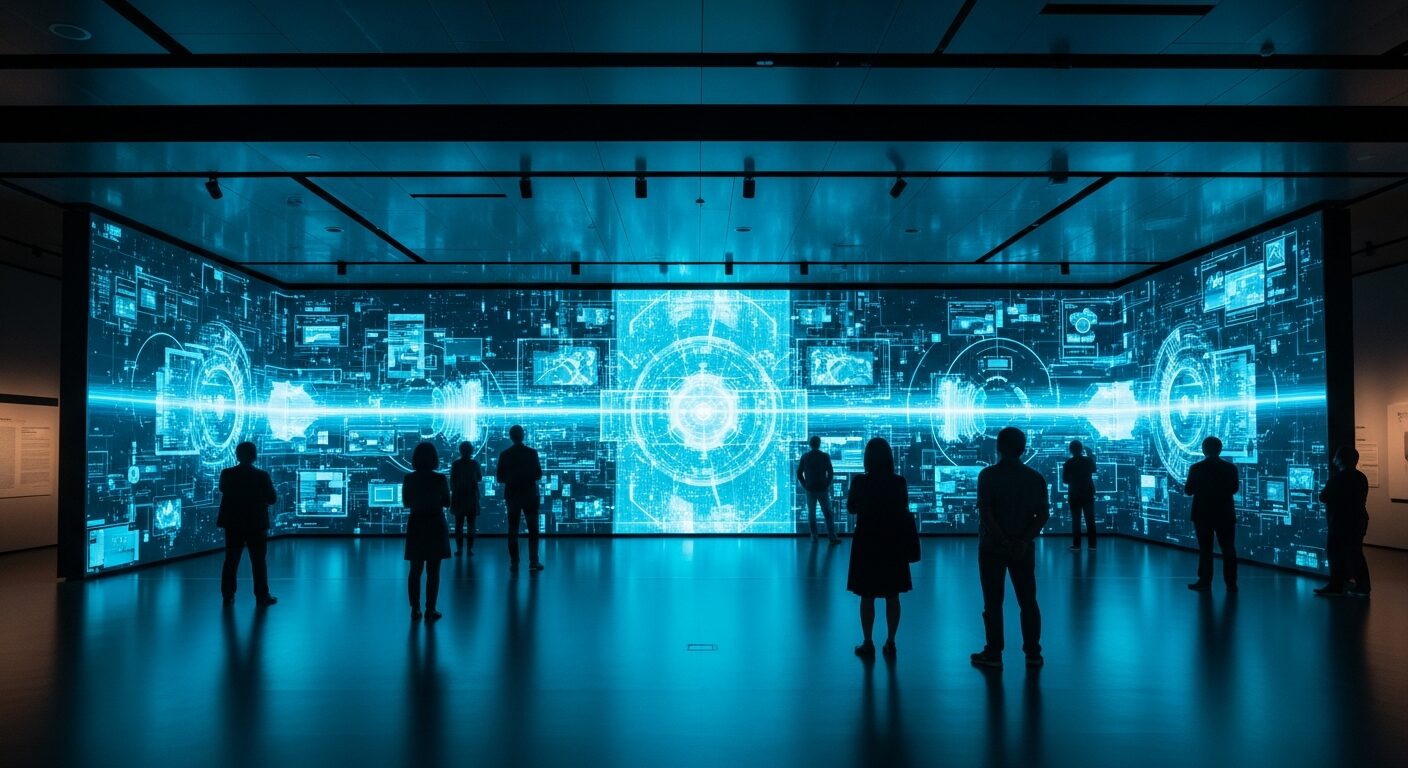
Holographic wall displays present content on large vertical surfaces — typically ranging from 2 metres to 12+ metres in width. They create expansive visual canvases where holographic content appears to float in front of, within, or behind the wall surface. Wall displays are designed for audiences viewing from a distance, making them ideal for large groups and public spaces.
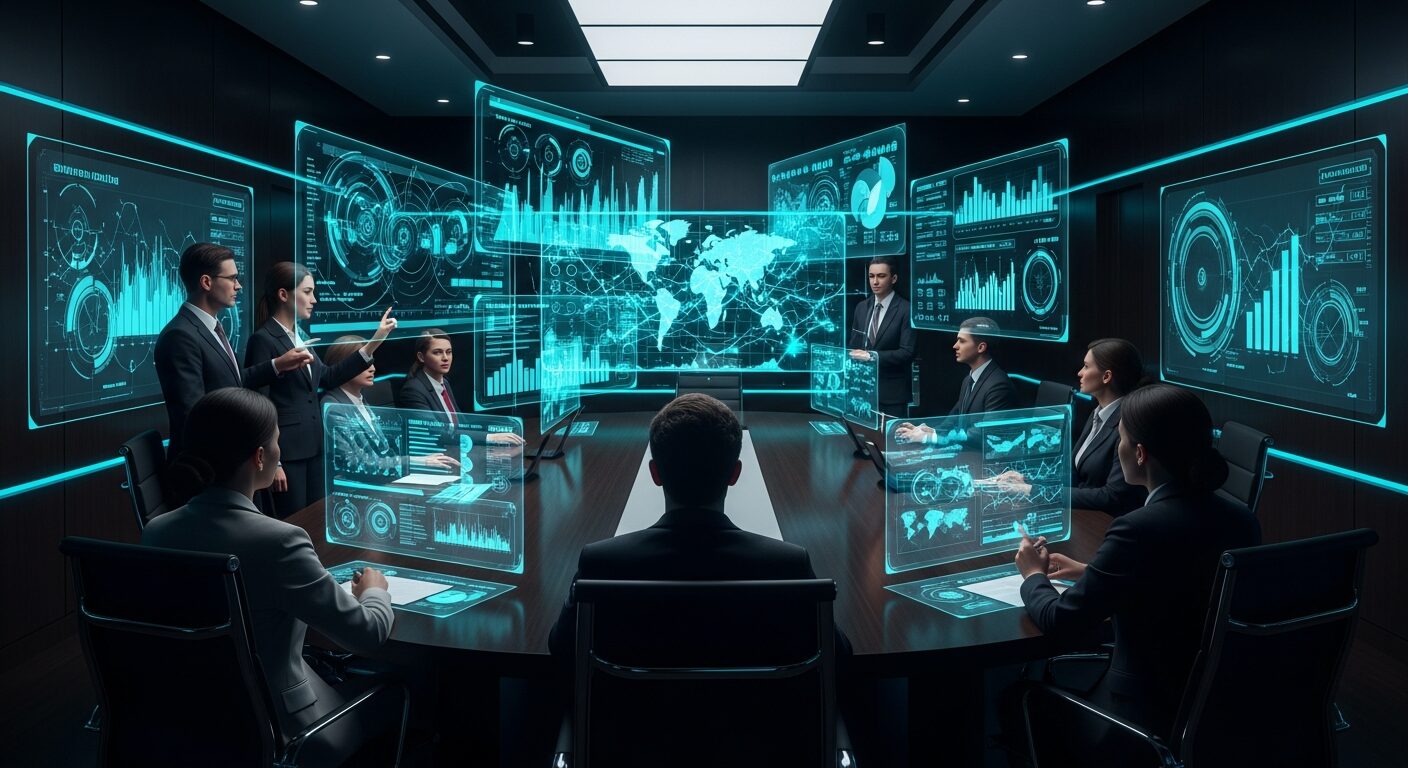
Comparison of holographic display technologies
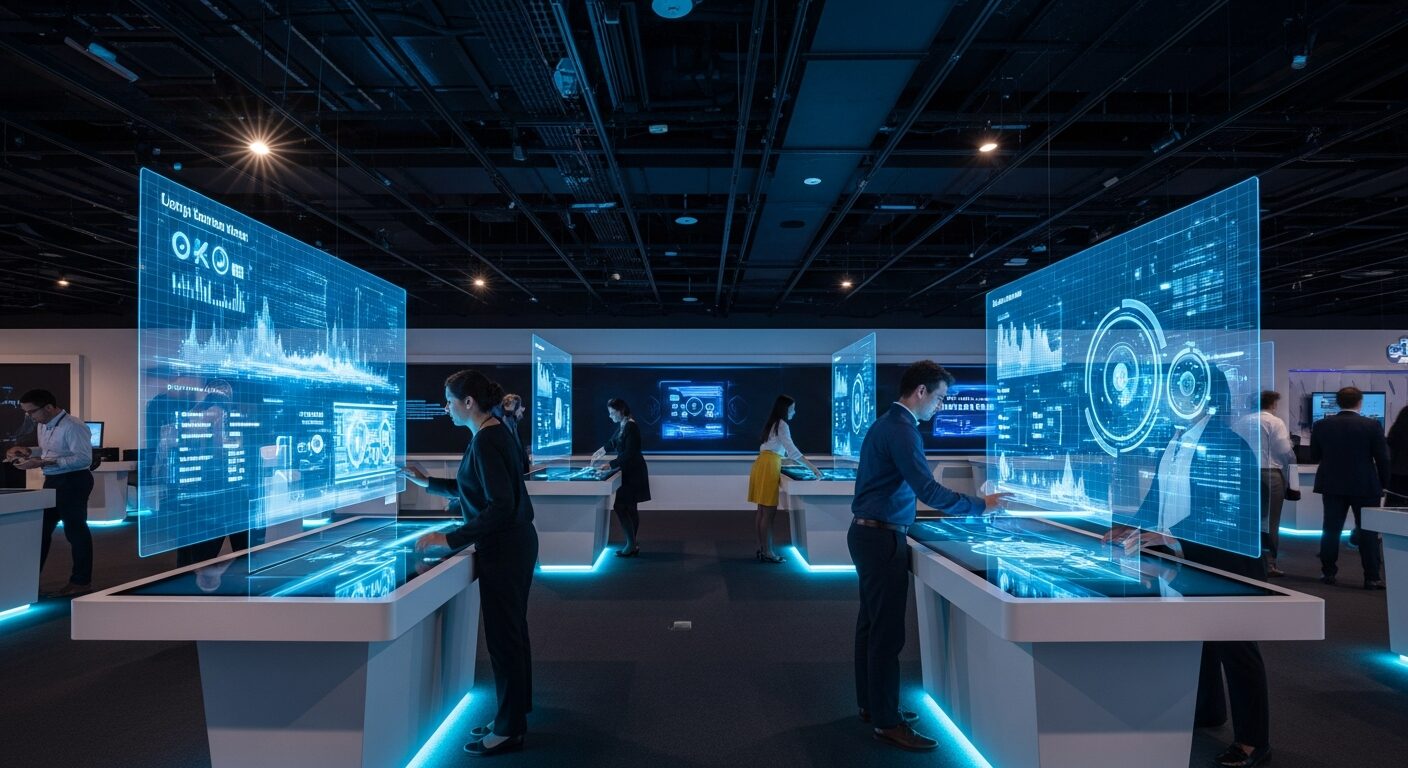
Holographic table displays present content on horizontal surfaces, typically 1–2 metres in diagonal. They create the appearance of three-dimensional objects floating above or within the table surface, viewable from multiple positions around the perimeter. Table displays are designed for close-range viewing by small groups gathered around the surface.
The fundamental difference is scale and orientation. Wall displays dominate a room and command attention from a distance. Table displays invite intimate examination and collaborative exploration at arm's reach.
Audience Experience and Engagement
Holographic wall installations create cinematic, presentation-style experiences. The audience typically faces the wall from a viewing area, experiencing content as a guided narrative or visual spectacle. This format works well for storytelling, brand presentations, and experiential content where the goal is emotional impact and visual immersion.
Holographic table installations create collaborative, exploratory experiences. Multiple viewers gather around the table, each seeing the content from their own perspective. This format encourages discussion, shared discovery, and interactive exploration — making it ideal for architectural model review, product examination, and educational contexts where group interaction is valued.
The engagement style also differs. Wall displays tend toward lean-back viewing — audiences absorb content presented to them. Table displays tend toward lean-forward exploration — users actively navigate, select, and manipulate content. Both are valuable, but they serve different engagement objectives.
Content Suitability
Holographic wall displays excel at narrative content — brand stories, historical journeys, product launches, and cinematic experiences that unfold over time. The large format and front-facing orientation make them natural vehicles for guided storytelling with dramatic visual impact.
Holographic table displays excel at spatial content — architectural models, product designs, geographic visualisations, and data presentations that benefit from being examined from multiple angles. The horizontal orientation and multi-viewer access make them ideal for content that users need to explore, rotate, and discuss collaboratively.
Some installations combine both — using a holographic wall for the narrative introduction and a holographic table for detailed exploration, creating a visitor journey that moves from cinematic overview to hands-on discovery.
Making the Right Choice for Your Project
Choose a holographic wall display when your primary objective is visual impact and storytelling at scale — when you need to captivate large audiences, communicate brand narratives, or create signature visual experiences that define a space. Wall displays are the centrepiece technology for experience centre lobbies, museum galleries, and corporate presentation environments.
Choose a holographic table display when your primary objective is collaborative exploration and detailed examination — when users need to interact with 3D content, discuss what they see, and explore spatial information from multiple perspectives. Table displays are ideal for architectural presentations, product design review, and educational exhibits.
For comprehensive experience centres, consider both. The combination of wall-scale storytelling and table-scale exploration creates a complete visitor journey that delivers both emotional impact and intellectual engagement. Vision3D regularly designs installations that integrate both technologies as complementary elements within a unified experience architecture.
Related Technologies
Explore the capabilities mentioned in this article.
Related Solutions
Frequently Asked Questions
Which is more expensive — hologram table or hologram wall?
Costs depend on size and specification. Generally, large-format holographic wall installations involve higher total costs due to projection systems, screen size, and environmental requirements. However, holographic tables with advanced interactive features can be comparable. The best approach is to define your experience objectives first and then evaluate technology costs within that context.
Can you combine hologram tables and walls in one installation?
Yes. Many experience centres combine both technologies — using holographic walls for immersive storytelling and holographic tables for detailed interactive exploration. This creates a richer visitor journey that delivers both emotional impact and hands-on engagement.
Which technology is better for a corporate experience centre?
Both technologies serve corporate environments well, but for different purposes. Holographic walls excel in client presentation theatres and brand storytelling. Holographic tables work best in product demonstration areas and collaborative workshop spaces. Most corporate experience centres benefit from incorporating both.
Related Articles
Planning a Holographic Installation?
Our experience design team creates immersive holographic environments for museums, experience centres, and public installations.