
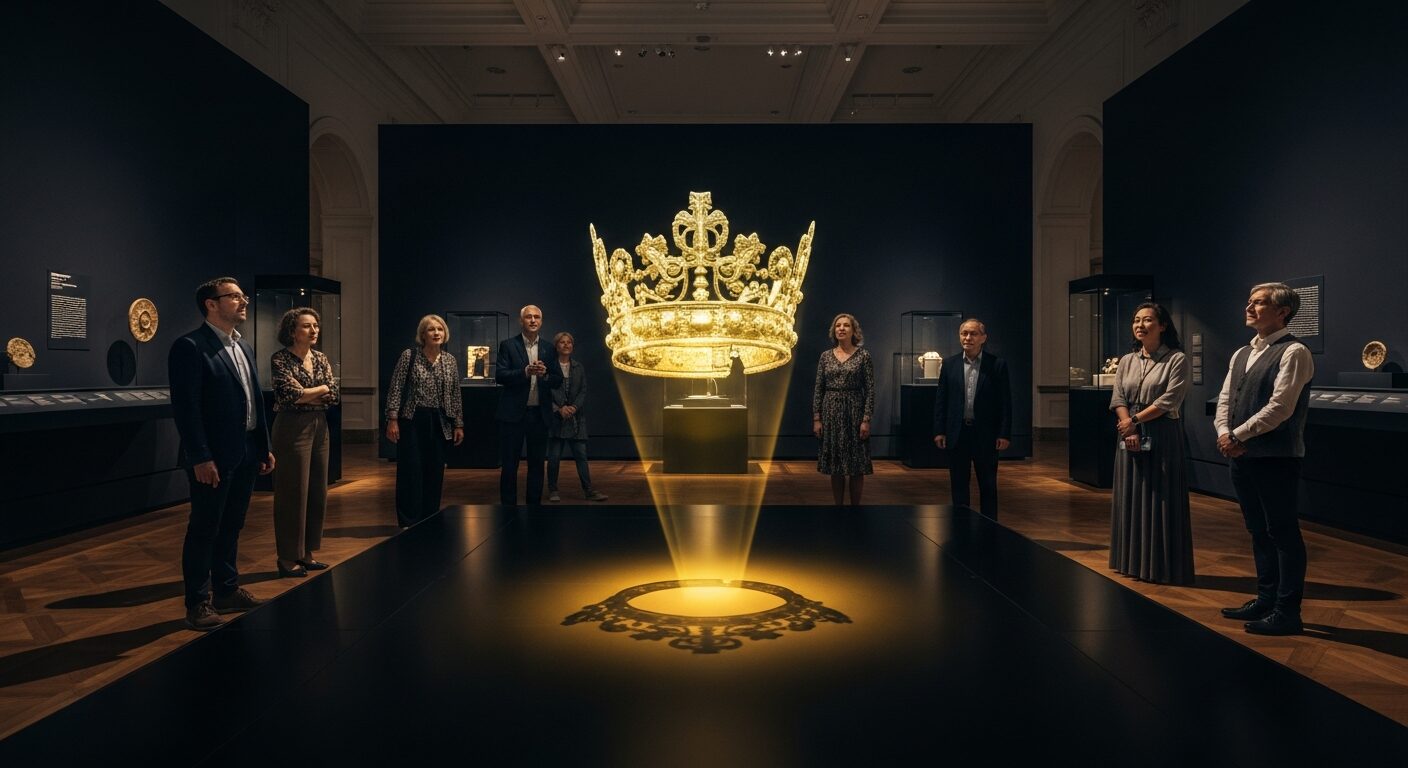
3D Digitisation for Heritage – Preserve Culture in 3D
Cultural heritage faces constant threats — environmental degradation, natural disasters, urban development, conflict, and the simple passage of time. 3D digitisation provides a powerful response to these threats, creating permanent digital records of heritage assets at extraordinary fidelity — records that survive when physical originals cannot.
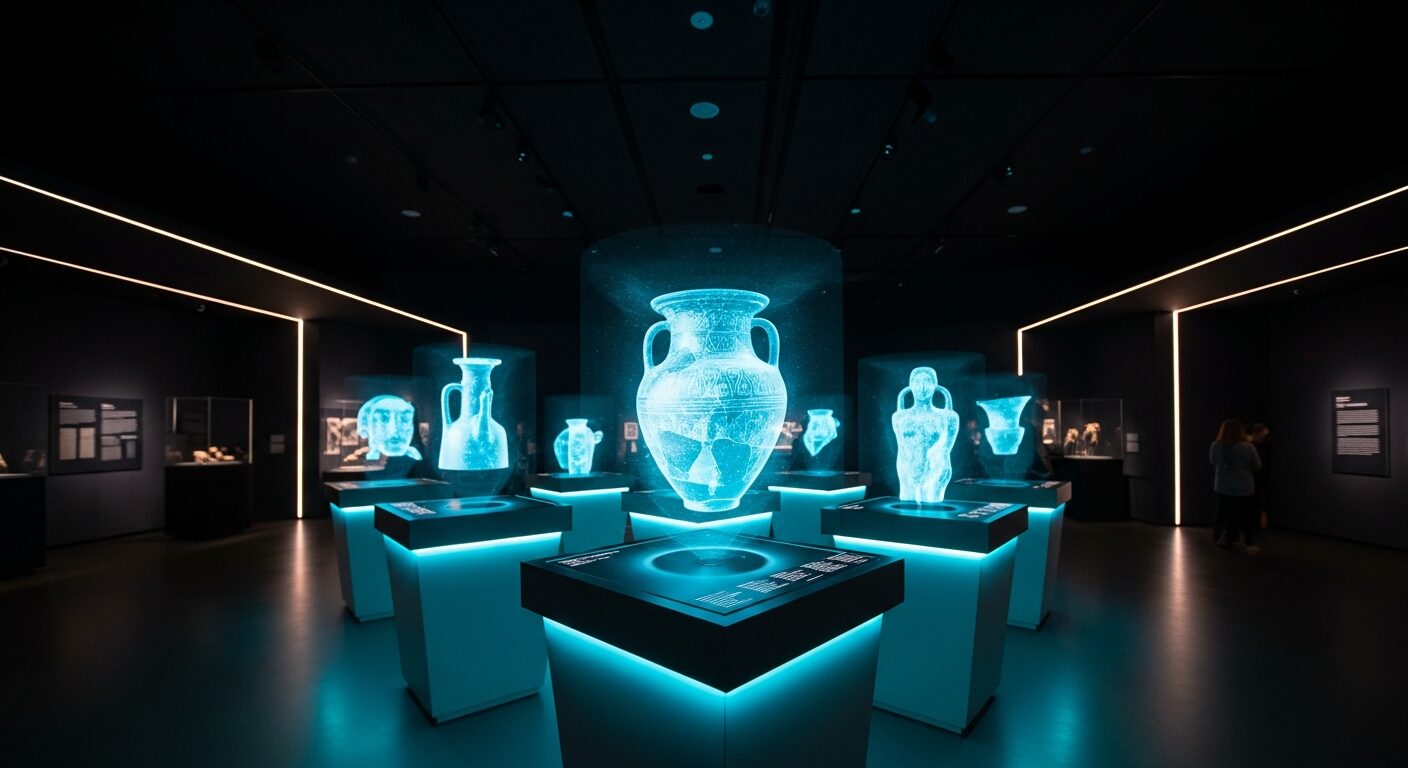
Beyond preservation, 3D digitisation unlocks new forms of access, research, and presentation. Digitised heritage objects can be displayed as interactive holograms, explored through virtual museum platforms, studied by researchers worldwide, and presented in immersive exhibitions that bring cultural contexts to life in ways that physical display alone cannot achieve.
Photogrammetry for Heritage Objects
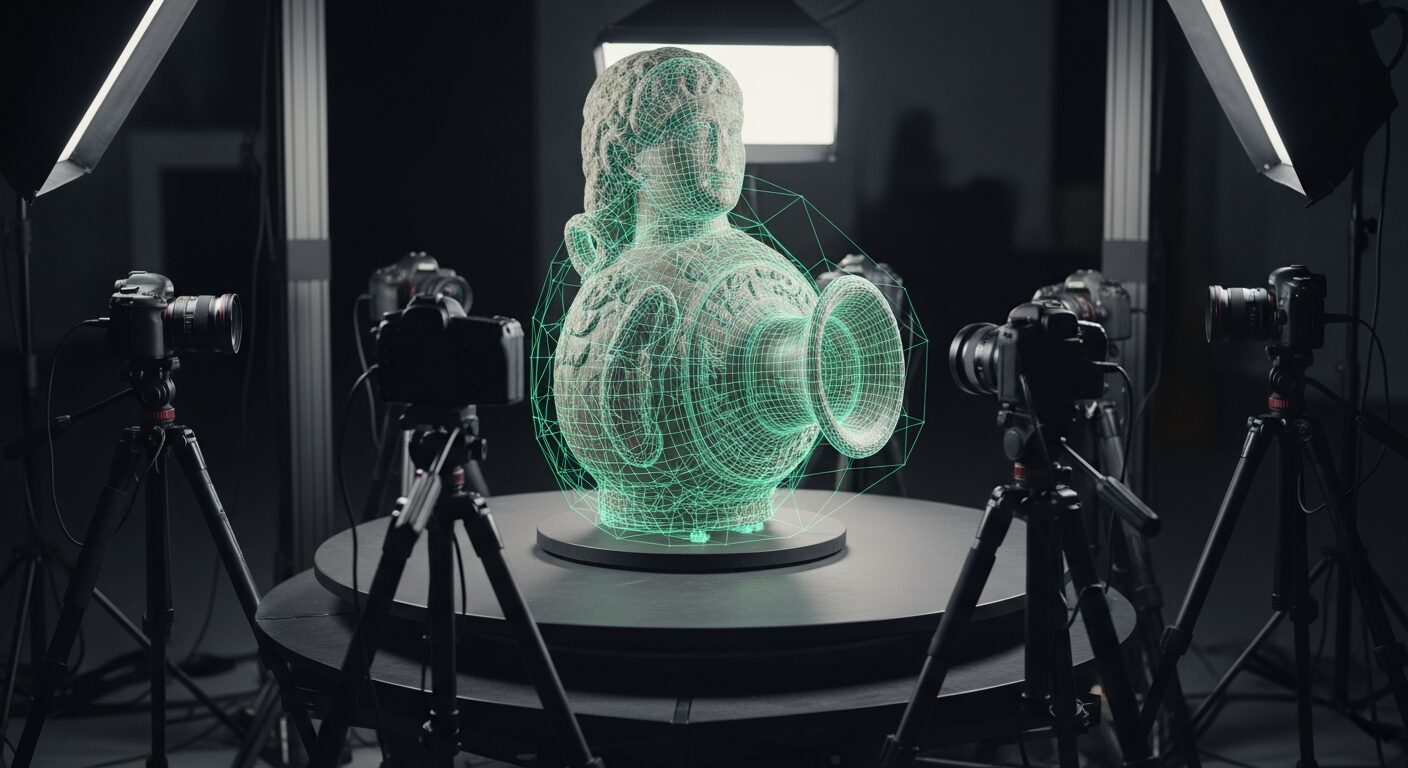
Photogrammetry reconstructs three-dimensional digital models from multiple overlapping photographs taken from different angles. For heritage objects, this technique captures both geometry and photorealistic surface texture, creating digital replicas that are visually indistinguishable from the physical originals when viewed on screen.
Digital twin creation and synchronisation architecture
The process involves photographing the object from dozens or hundreds of positions using calibrated cameras with controlled lighting. Specialised software analyses the photographs to identify common features across images and triangulates their three-dimensional positions, building a detailed mesh model that captures surface geometry at sub-millimetre resolution.
Photogrammetry is particularly effective for objects with complex surface detail — carved sculptures, decorated pottery, architectural ornament, textiles, and natural specimens. The resulting digital models can be used for holographic display, virtual museum collections, 3D printing of replicas, and academic research.
Structured-Light and Laser Scanning
Structured-light scanning projects known patterns of light onto an object's surface and analyses how those patterns deform, calculating precise surface geometry from the distortion. This technique captures geometric detail with exceptional accuracy — often better than 50 microns — making it ideal for objects where dimensional precision is critical.
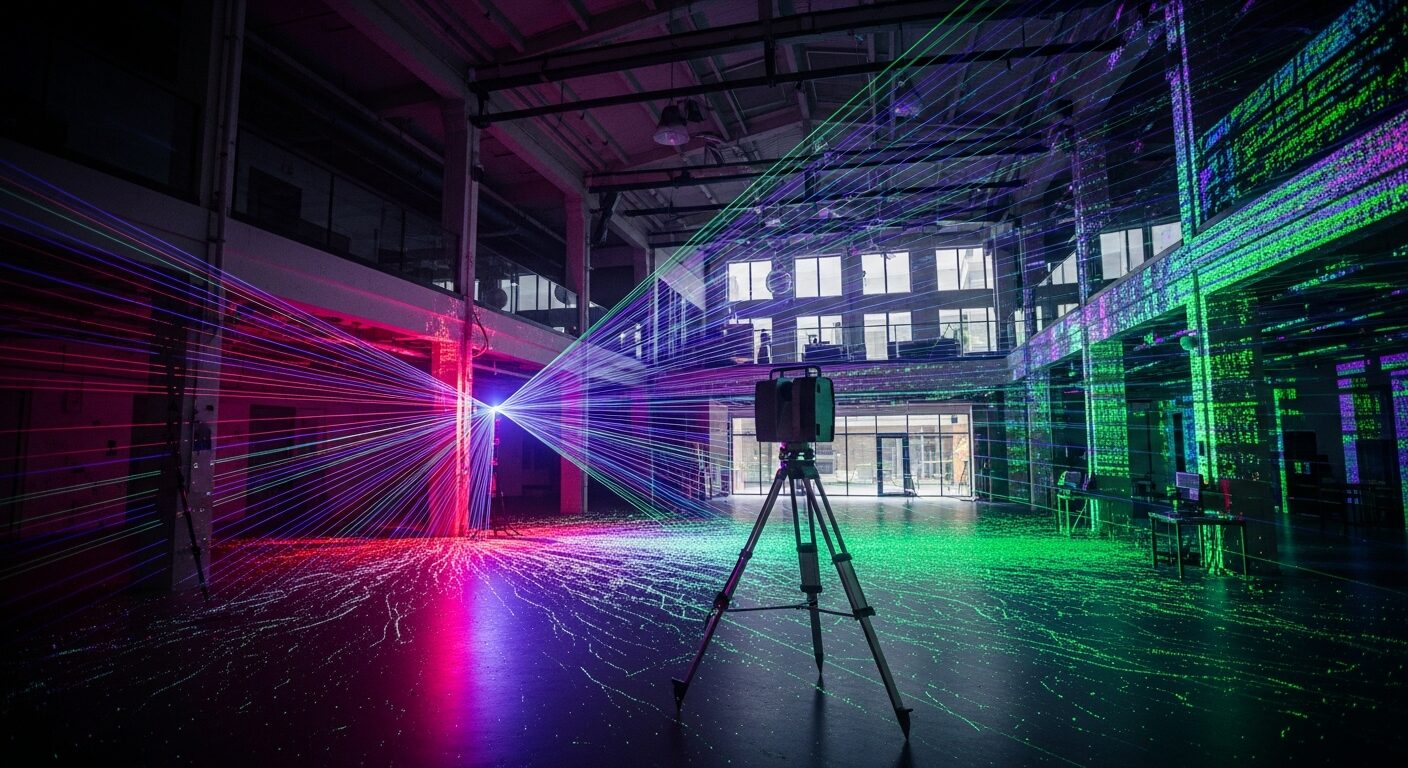
Laser scanning uses similar principles but measures distance using laser beams rather than projected light patterns. Terrestrial laser scanners (LiDAR) capture entire buildings, monuments, and archaeological sites as dense point clouds — millions of precisely measured three-dimensional coordinates that define the complete spatial geometry of the scanned environment.
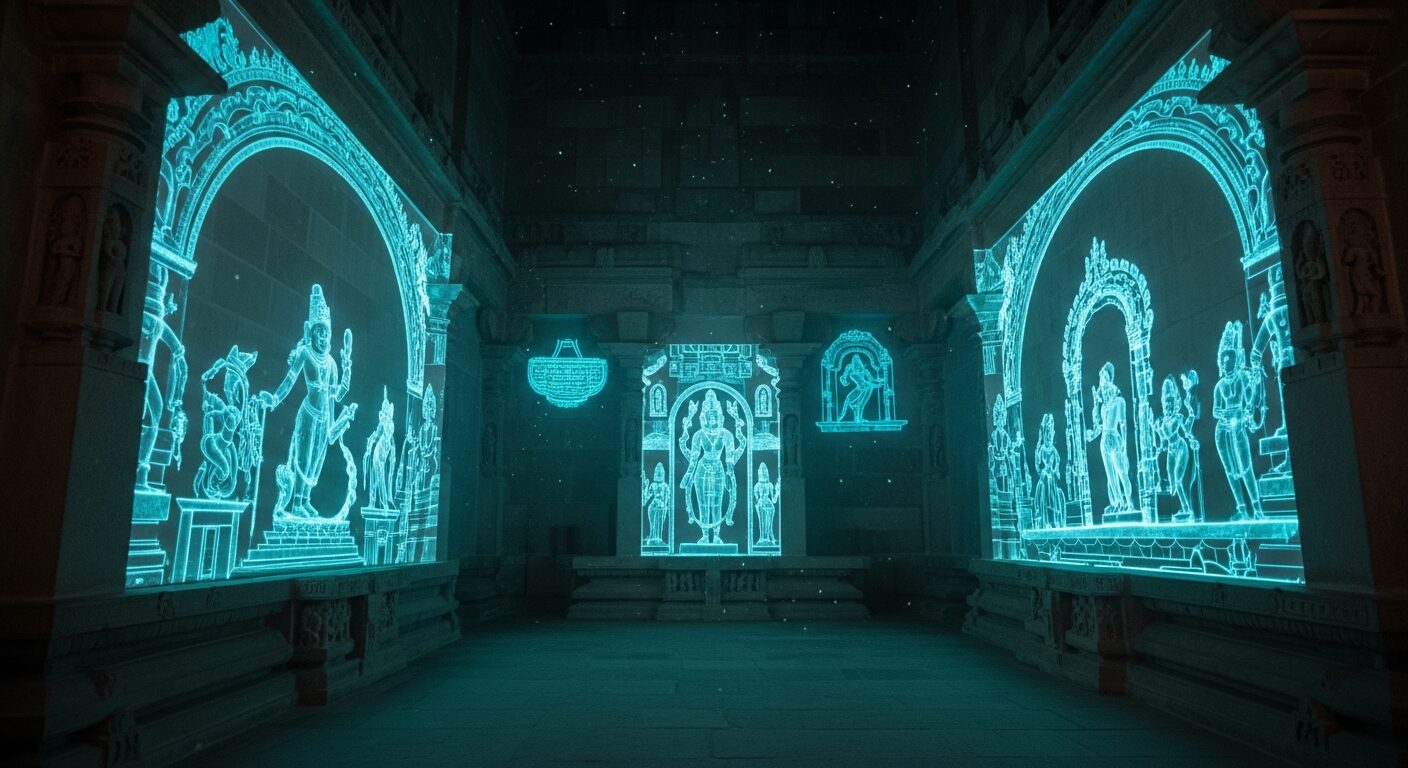
For heritage applications, these scanning technologies create digital twins of structures and sites that serve multiple purposes: conservation baseline documentation, structural analysis, restoration planning, virtual access for restricted sites, and spatial foundations for immersive exhibition environments.
From Digital Model to Museum Display
The journey from raw scan data to a museum-ready digital asset involves significant processing and optimisation. Raw photogrammetry models and point clouds are cleaned, refined, and optimised to create assets suitable for their intended presentation format.
Holographic display technical workflow
For holographic display, models are optimised for real-time rendering with appropriate polygon counts, texture resolution, and material properties. For web-based virtual museum platforms, models are compressed for efficient delivery while maintaining visual quality. For 3D printing of physical replicas, models are verified for watertight geometry and structural integrity.
The most impactful museum applications combine digitised objects with contextual storytelling. A 3D-digitised ancient pottery vessel becomes far more meaningful when presented within a holographic recreation of the archaeological site where it was found, accompanied by expert narration explaining its cultural significance and the story of its discovery.
Building Institutional Digital Archives
Systematic 3D digitisation programmes create institutional digital archives — comprehensive collections of digital heritage assets that serve preservation, research, and public access objectives simultaneously.
These archives require careful metadata management — each digital model must be associated with provenance information, conservation records, research references, and rights management data. Standards like CIDOC-CRM and Dublin Core provide frameworks for heritage metadata that ensure long-term usability and interoperability.
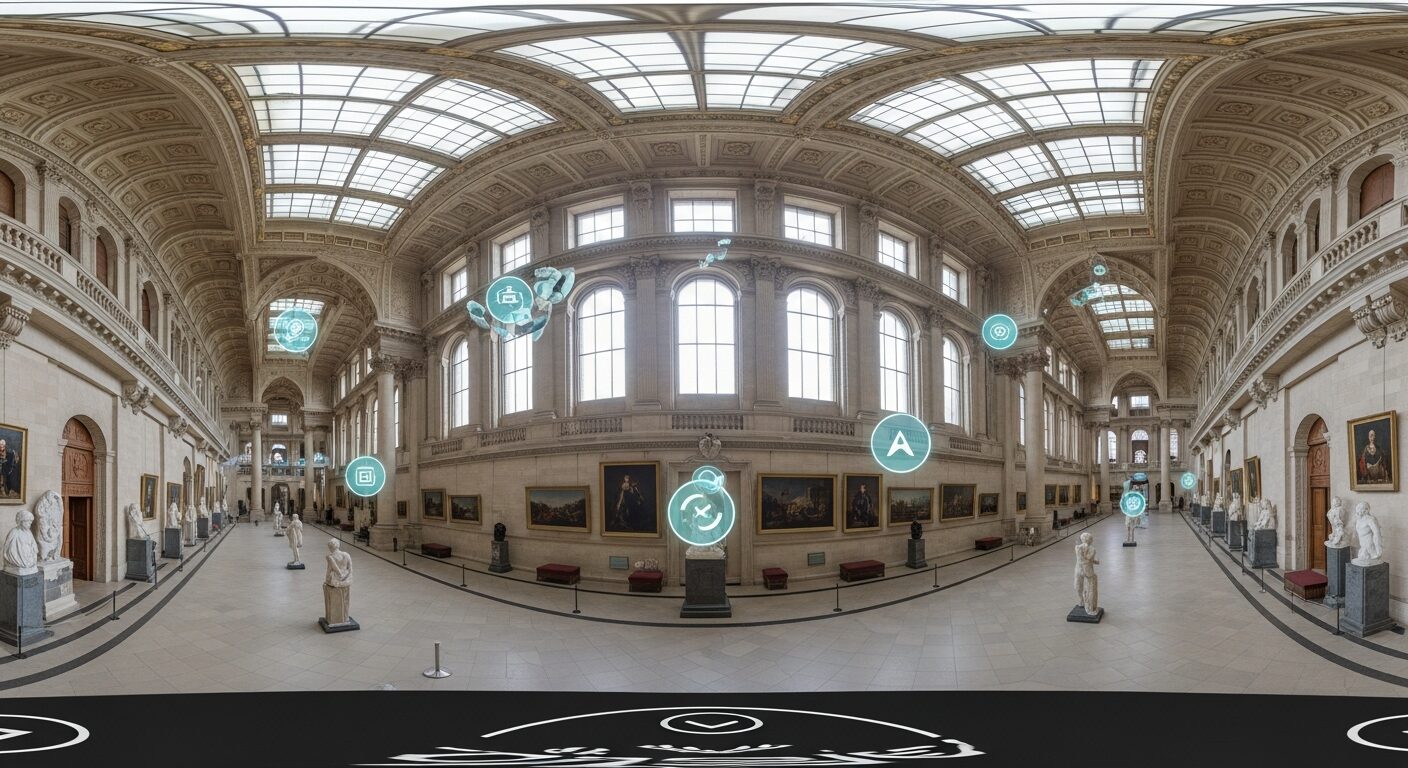
Cloud-based storage and delivery platforms make digitised collections accessible to global audiences — researchers can study objects remotely, partner institutions can include digitised artefacts in their exhibitions, and the general public can explore collections that were previously visible only to scholars with physical access.
The long-term value of institutional digital archives grows over time as the physical condition of original objects inevitably changes. Digital records created today will serve as authoritative references for conservation, restoration, and cultural understanding for generations to come.
Related Technologies
Explore the capabilities mentioned in this article.
Related Solutions
Frequently Asked Questions
How accurate is 3D heritage digitisation?
Modern scanning technology achieves sub-millimetre accuracy for object scanning and centimetre-level accuracy for large-scale site scanning. The resulting digital models capture surface detail that is invisible to the naked eye, providing documentation quality that exceeds traditional photography and measured drawing.
Can fragile objects be safely digitised?
Yes. Photogrammetry and structured-light scanning are entirely non-contact processes — no physical contact with the object is required. The scanning environment can be controlled for temperature, humidity, and lighting to match conservation requirements.
How long does it take to digitise a heritage collection?
Individual objects can be digitised in 30 minutes to several hours depending on size and complexity. Large collection digitisation programmes processing hundreds of objects typically take 3–12 months, depending on the scope, access arrangements, and required fidelity level.
What file formats are used for heritage 3D models?
Common formats include OBJ and FBX for 3D mesh models, PLY and E57 for point cloud data, and glTF for web-based delivery. Most digitisation projects deliver assets in multiple formats to support different downstream applications.
Related Articles
Planning a Holographic Installation?
Our experience design team creates immersive holographic environments for museums, experience centres, and public installations.