
Virtual Tourism
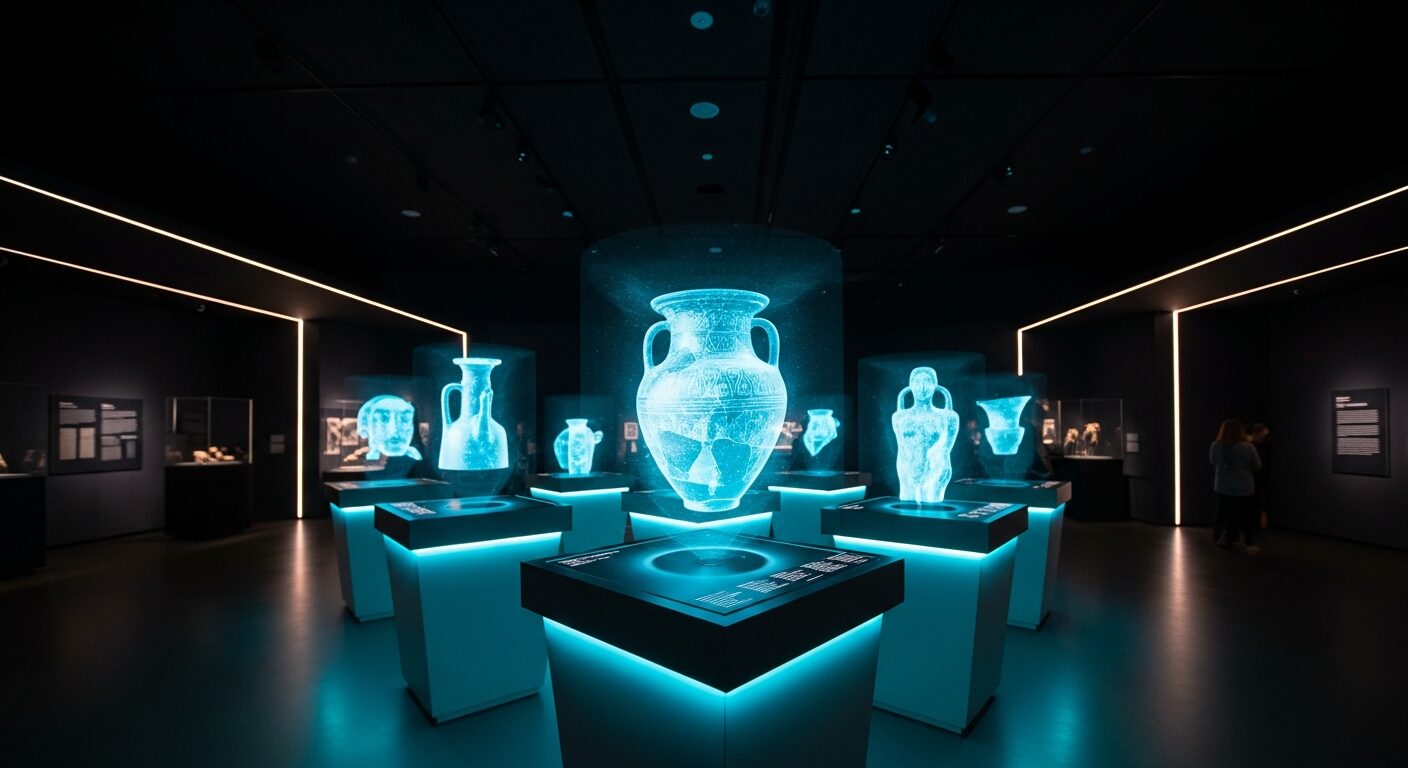
Immersive virtual tourism experiences that transport visitors to remote destinations, heritage sites, and cultural landmarks through holographic and spatial technology.
Virtual tourism is emerging as a powerful complement to physical travel — enabling audiences to experience remote destinations, endangered heritage sites, and culturally significant landmarks through immersive digital technology. Whether serving as a preview that inspires future travel or as a standalone experience for those who cannot visit in person, virtual tourism creates meaningful connections between people and places.
Vision3D designs virtual tourism experiences that combine immersive projection environments, holographic heritage displays, 3D-digitised cultural assets, and interactive virtual tour platforms to create destination experiences with genuine emotional impact. Our installations serve visitor centres, cultural institutions, tourism boards, and hospitality venues.
Every virtual tourism installation is grounded in authenticity — using precision 3D scanning, culturally informed narrative design, and immersive spatial technology to create experiences that honour the places they represent while making them accessible to global audiences.
Industry Challenges
Accessing Remote and Fragile Destinations
Many of the world's most significant cultural and natural destinations are remote, fragile, or restricted — limiting physical access while public interest in experiencing them remains high.
Extending Destination Reach Globally
Tourism destinations want to engage potential visitors before they travel and reach audiences who may never visit in person, requiring compelling digital alternatives to physical presence.
Preserving Heritage for Future Generations
Cultural landmarks and natural environments face threats from climate change, conflict, and decay — digital preservation ensures these experiences survive for future audiences.
Creating Emotionally Compelling Digital Experiences
Virtual experiences must evoke the same sense of wonder, connection, and discovery as physical travel — a high bar that simple photographs and videos rarely achieve.
How Immersive Technology Solves Them
Immersive Destination Environments
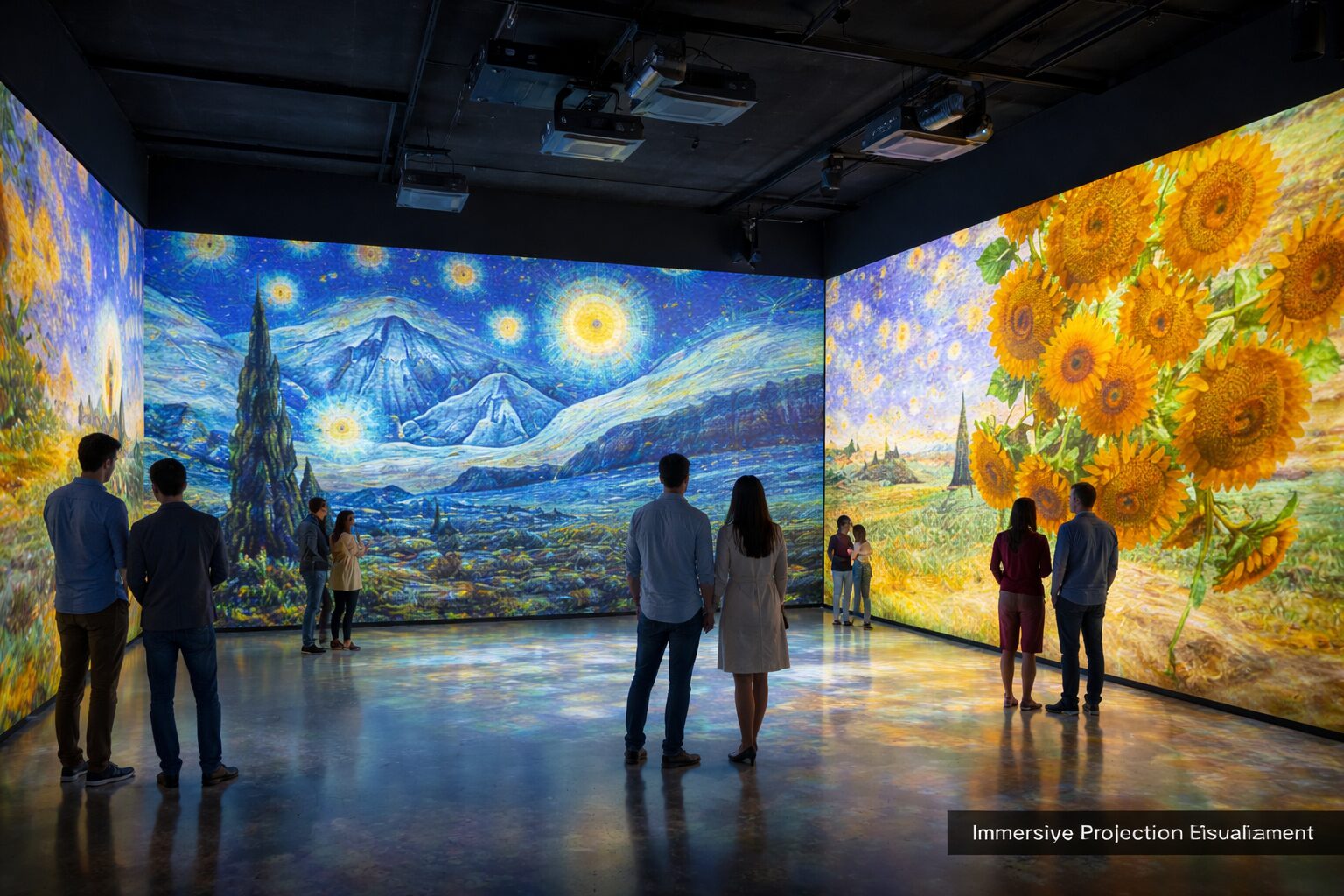
Full-room immersive projection systems transport visitors to remote destinations — standing on mountain peaks, walking through ancient ruins, or exploring underwater ecosystems — with spatial audio and environmental effects.
Holographic Heritage Displays
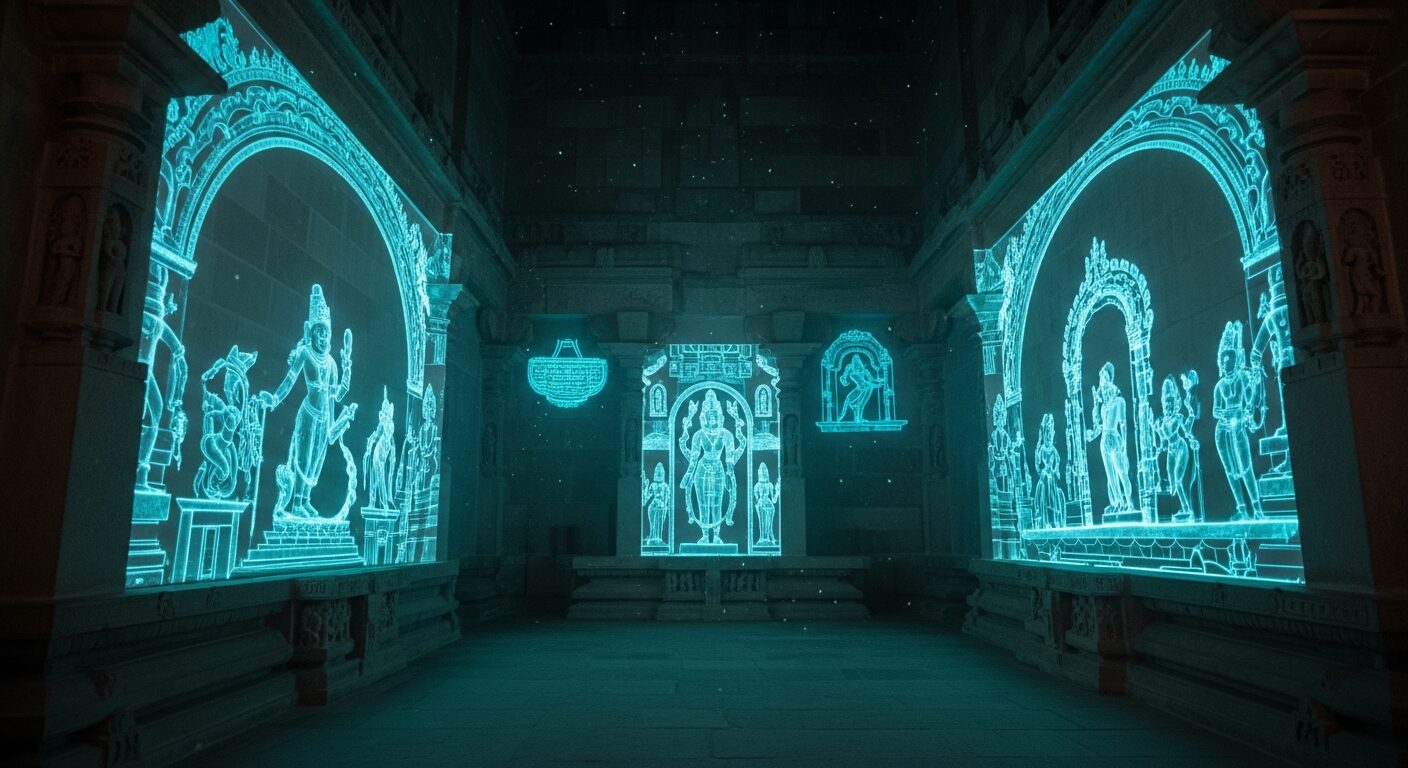
Holographic wall displays present cultural landmarks, archaeological sites, and natural wonders as three-dimensional spatial experiences that convey scale, detail, and atmosphere.
3D-Digitised Cultural Assets
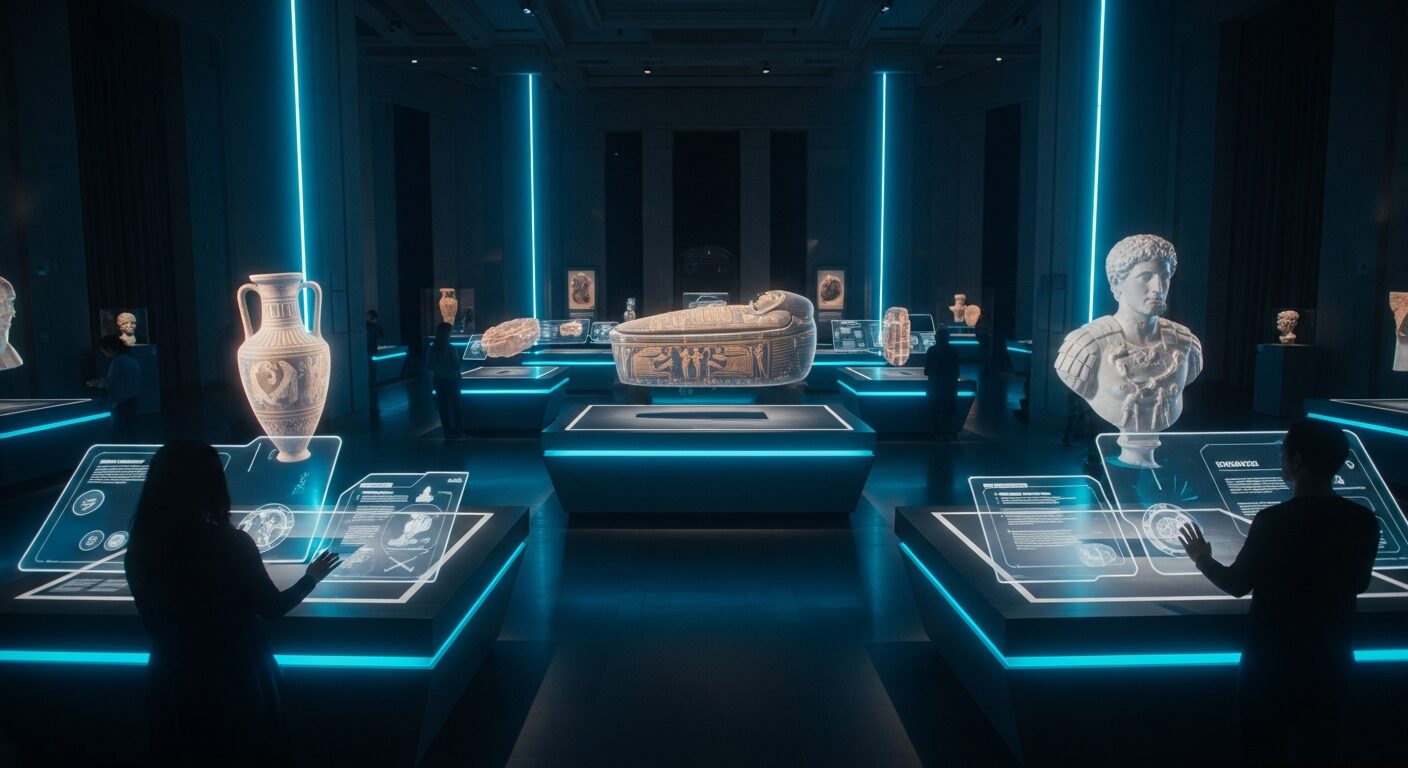
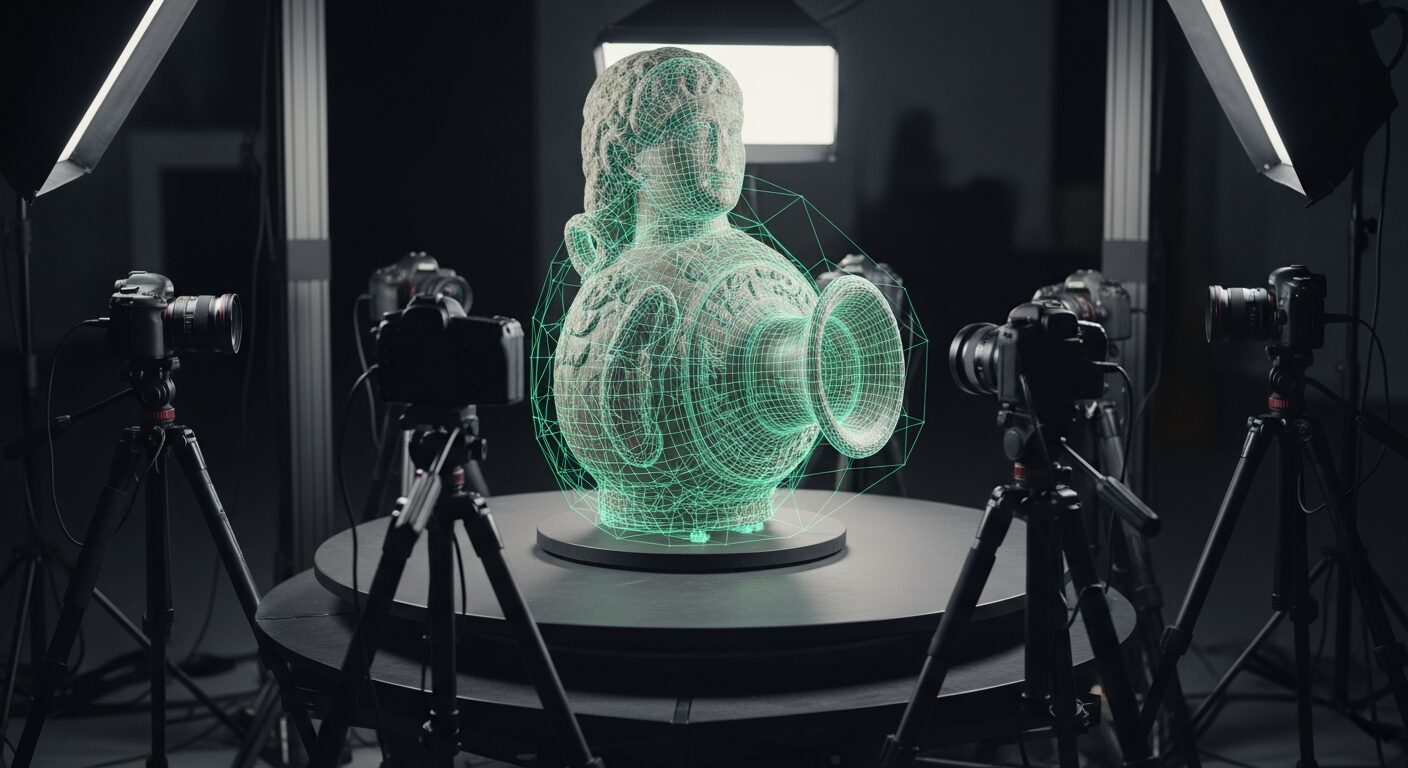
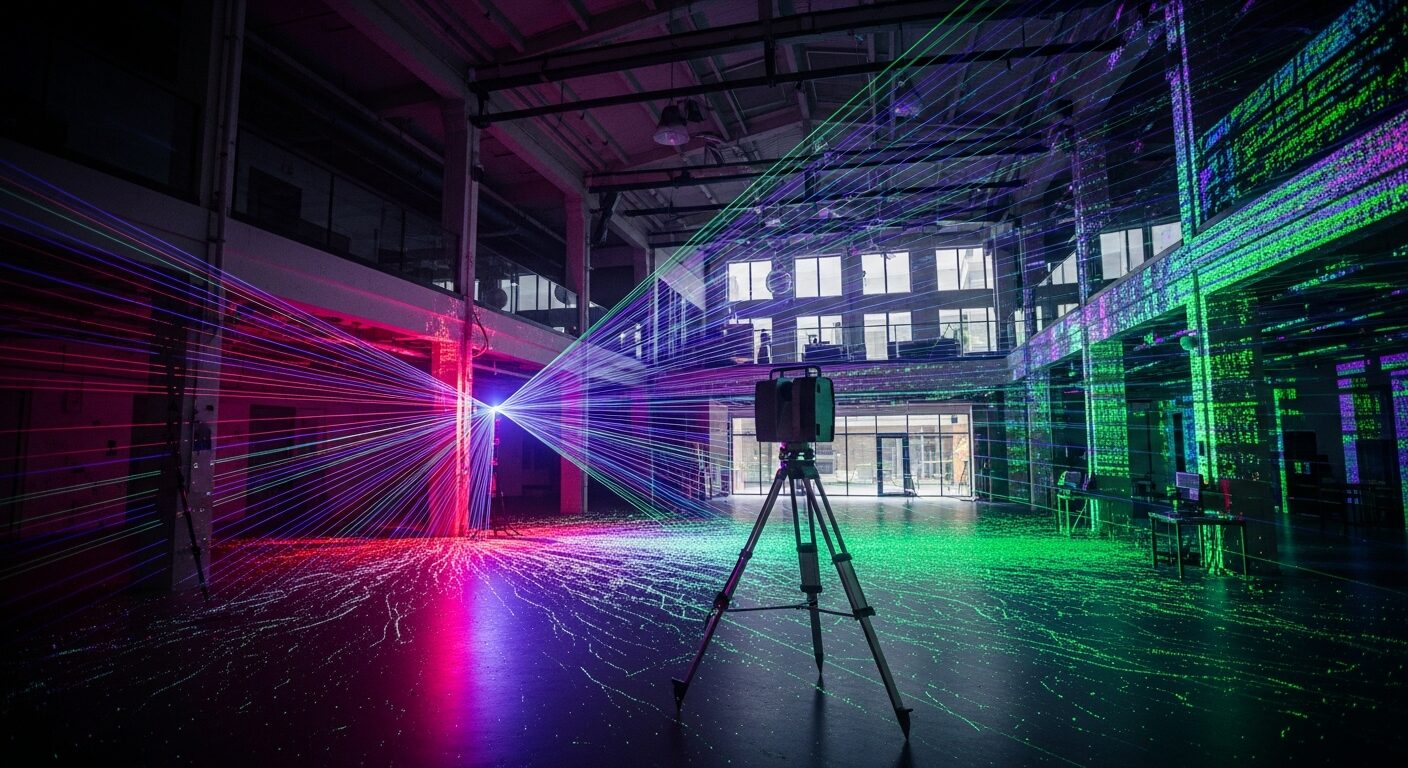
LiDAR scanning and 3D digitisation capture heritage sites, architectural landmarks, and natural formations as precise digital replicas for holographic presentation and interactive exploration.
Interactive Virtual Tours
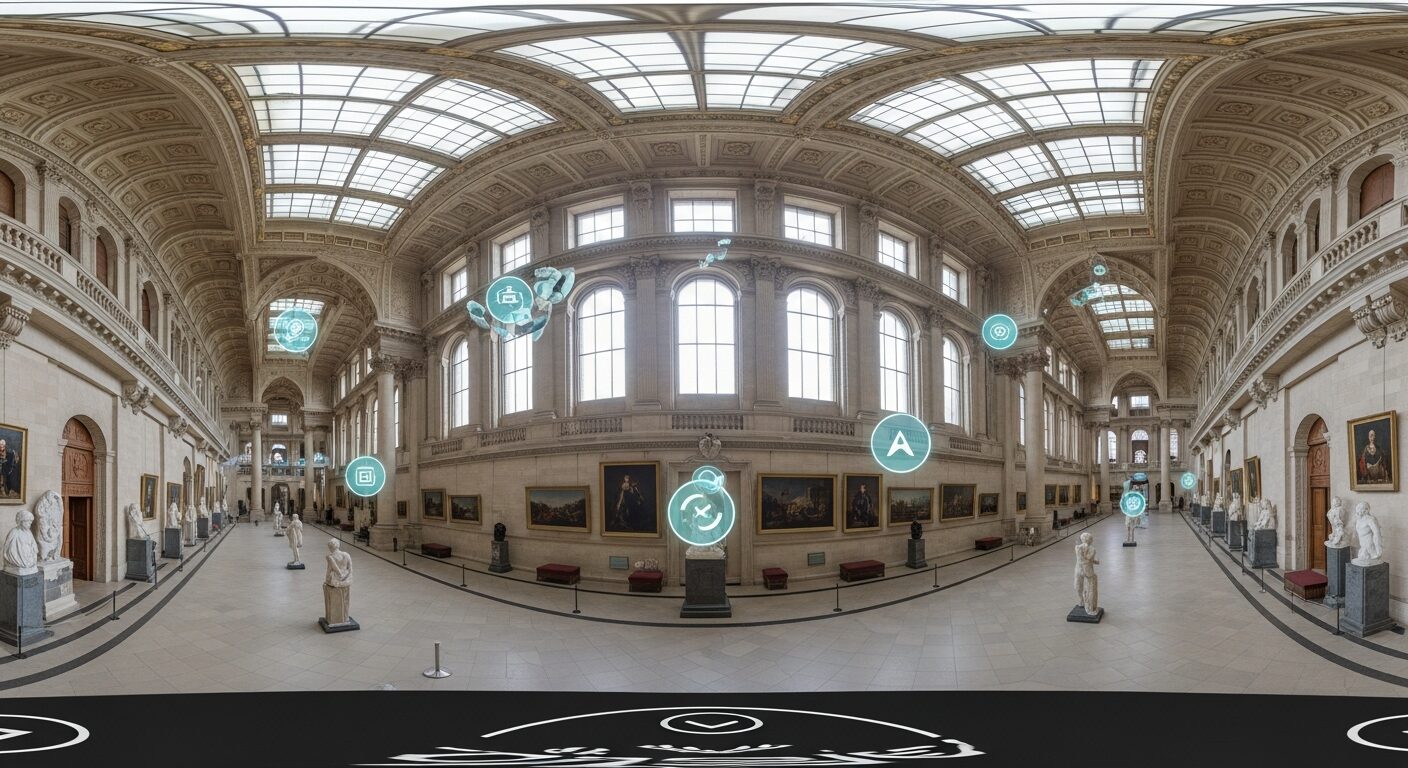
Virtual tour platforms enable self-directed exploration of digitised destinations, allowing visitors to navigate environments, access interpretation content, and discover hidden details at their own pace.
Relevant Solutions
Explore solutions designed for this industry.
Technologies Used
Capabilities from our technology portfolio that power solutions in this industry.
Related Insights
Start a Conversation
Tell us about your virtual tourism project. We'll explore how immersive technology can transform your space and engage your audience.