
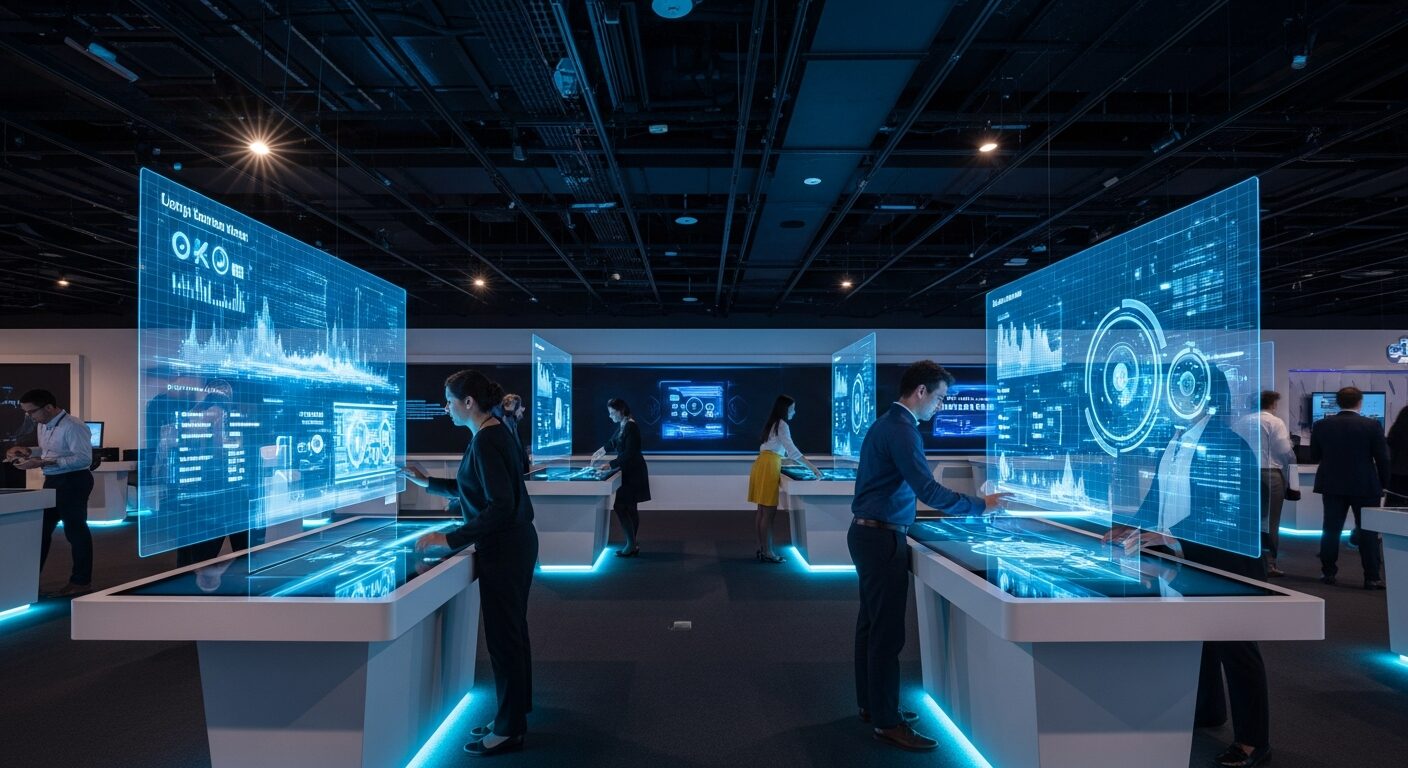
Healthcare
Holographic visualisation and interactive environments for healthcare facilities, supporting medical education, patient communication, and facility planning.
Healthcare is a domain where spatial understanding directly impacts outcomes — from the three-dimensional complexity of human anatomy to the spatial design of clinical environments and the visual communication of treatment plans to patients. Immersive technology offers healthcare professionals new tools to visualise, educate, and plan in three dimensions.
Vision3D designs holographic and interactive environments for healthcare facilities, medical education institutions, and pharmaceutical organisations. Our installations present anatomical structures as explorable three-dimensional holograms, create immersive training environments for clinical scenarios, and provide interactive tools for patient education and facility planning.
Every healthcare installation is designed with clinical sensitivity — ensuring that technology enhances medical communication and education without adding complexity to clinical workflows or compromising the professional environment.
Digital twin creation and synchronisation architecture
Industry Challenges
Visualising Complex Anatomy and Procedures
Medical education and surgical planning require three-dimensional understanding of anatomical structures that flat images and textbook illustrations cannot adequately convey.
Patient Communication and Education
Patients often struggle to understand diagnoses, treatment plans, and surgical procedures when explained through conventional medical imagery and verbal descriptions alone.
Healthcare Facility Planning
Designing and renovating healthcare facilities involves complex spatial requirements — clinical workflows, equipment placement, and patient flow — that are difficult to evaluate from architectural drawings.
Training Without Risk
Medical training requires exposure to clinical scenarios and procedures in controlled environments where mistakes carry no patient risk but learning outcomes remain high.
How Immersive Technology Solves Them
Holographic Anatomical Visualisation
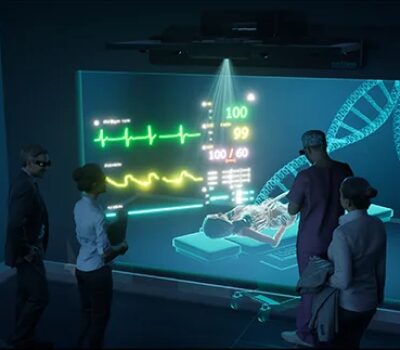
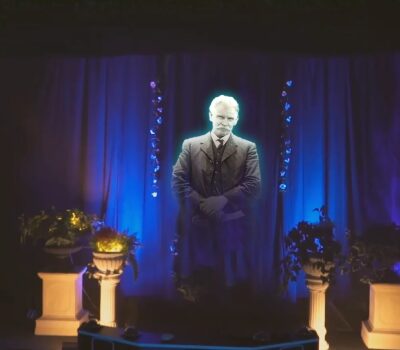
Holographic displays present anatomical models, organ systems, and surgical approaches as three-dimensional spatial content that medical professionals and students can examine from every angle.
Interactive Patient Education
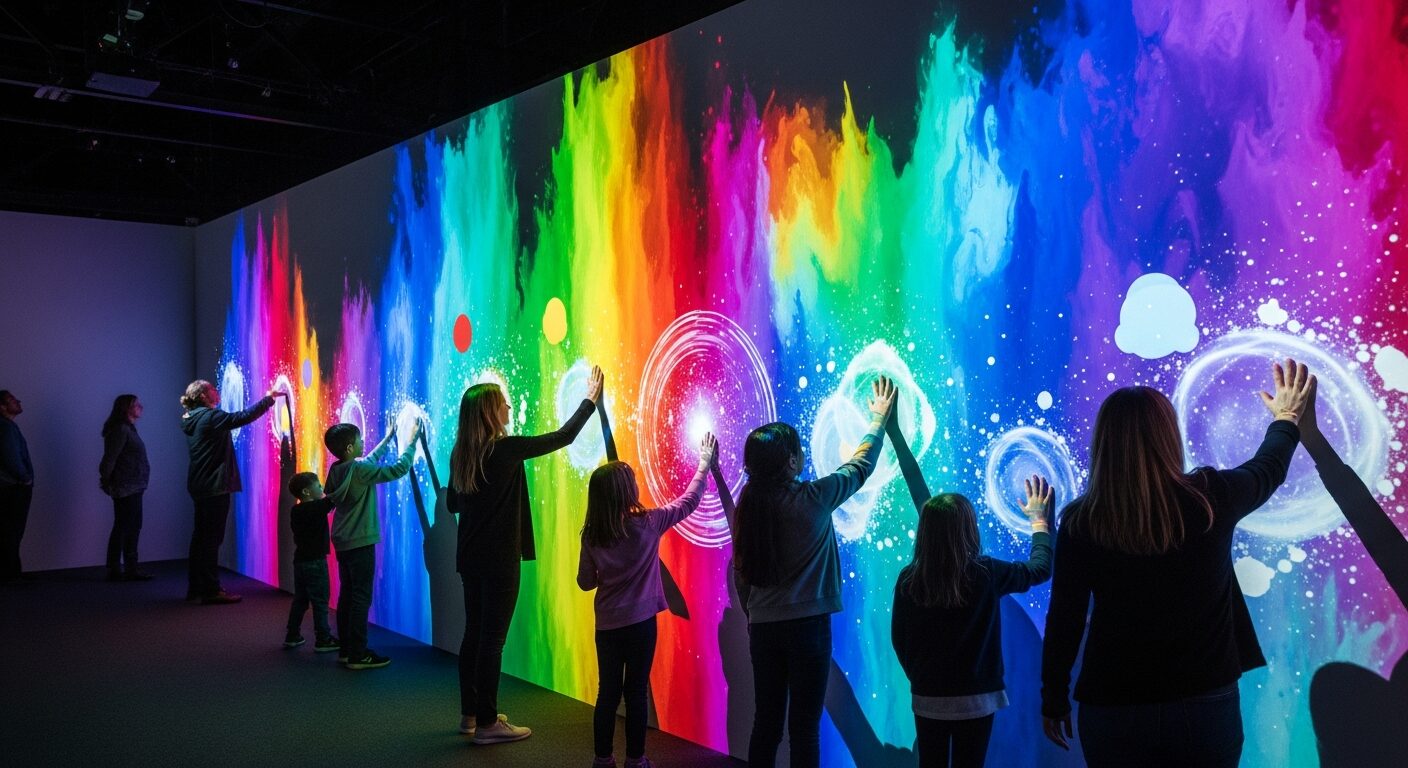
Interactive projection surfaces allow clinicians to walk patients through treatment plans, procedures, and anatomical explanations using intuitive visual tools that improve understanding.
Immersive Medical Training Environments
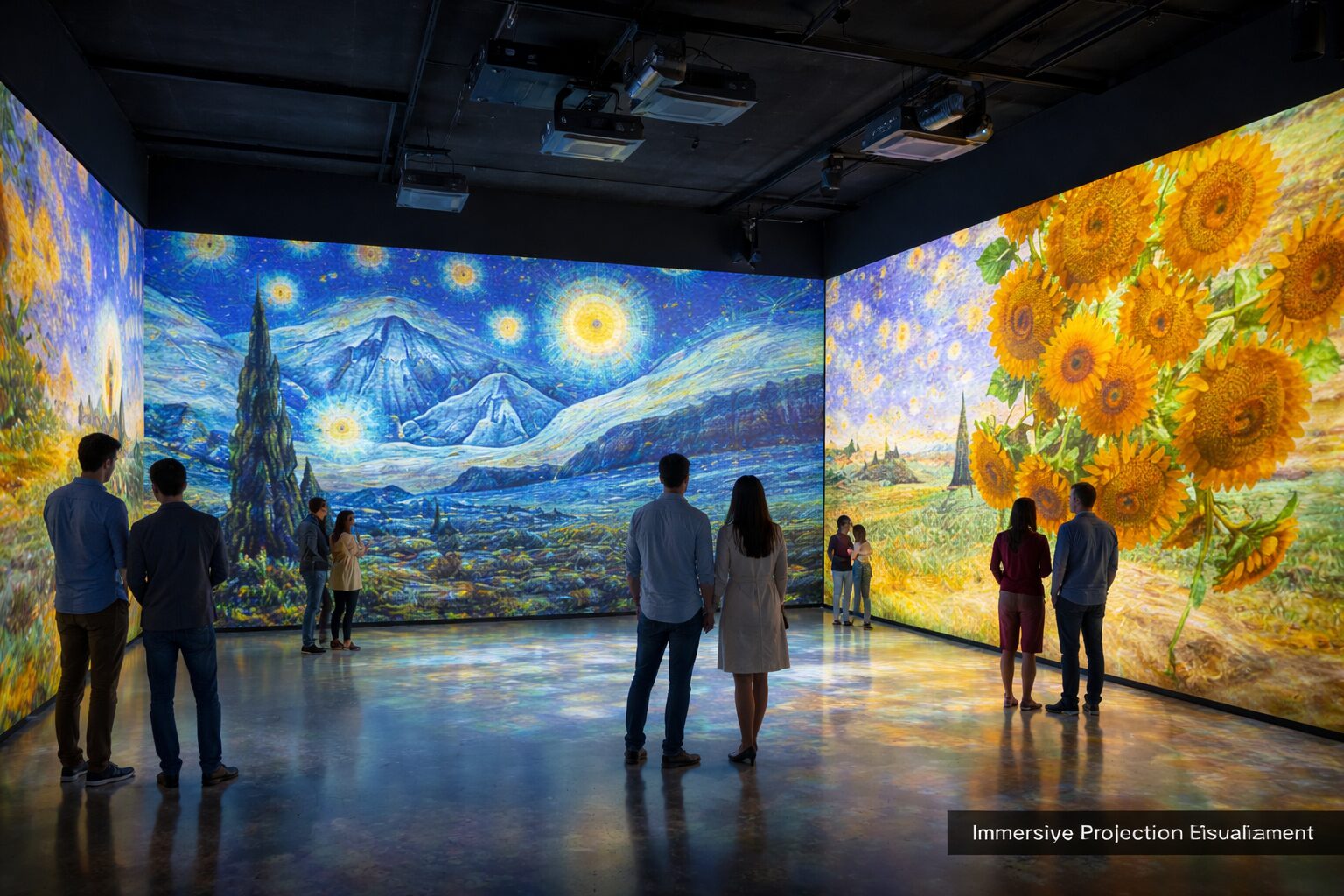
Immersive projection environments create realistic clinical training scenarios where medical professionals practise procedures, decision-making, and team coordination in controlled spatial settings.
3D-Digitised Medical Models
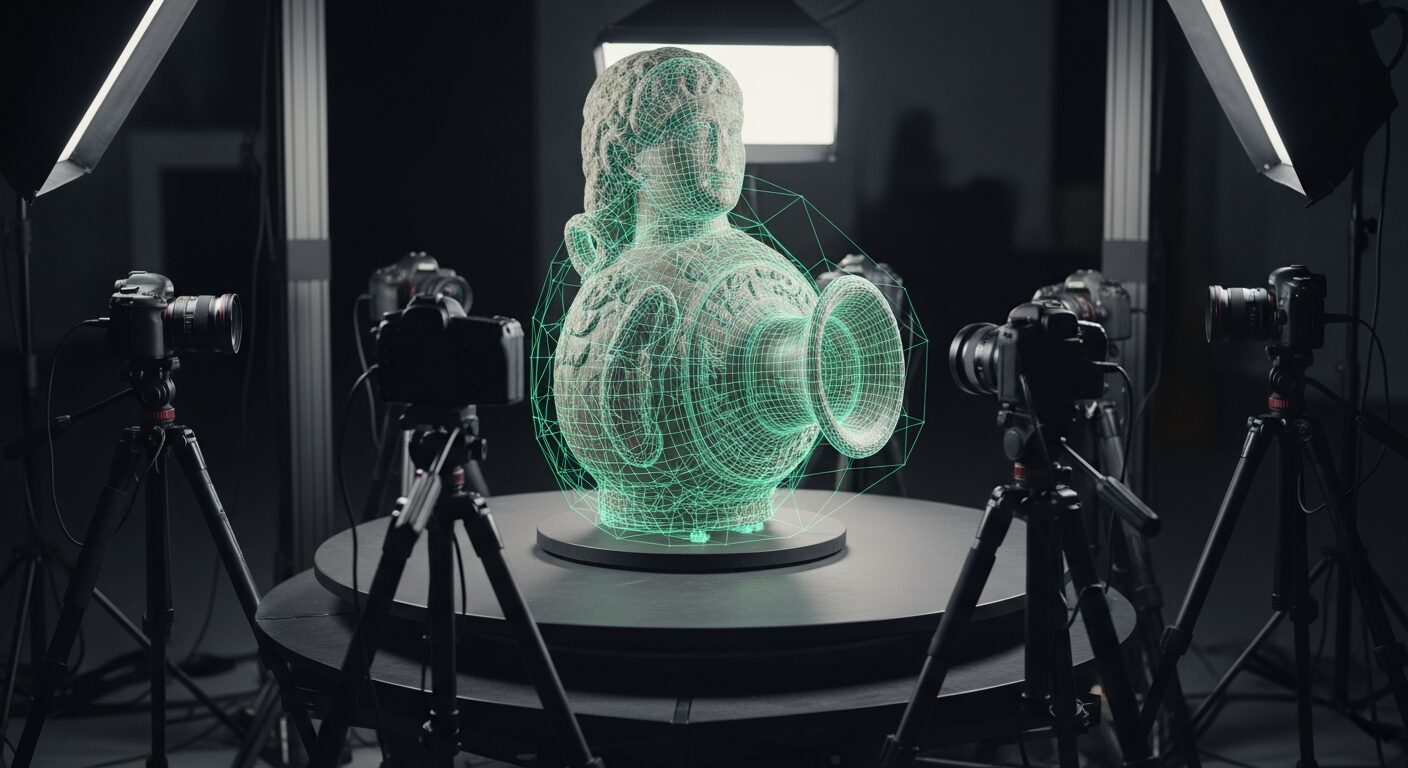
3D digitisation creates precise digital replicas of anatomical specimens and medical models for holographic presentation, supporting education and surgical planning without physical specimens.
Relevant Solutions
Explore solutions designed for this industry.

Technologies Used
Capabilities from our technology portfolio that power solutions in this industry.
Related Insights
Start a Conversation
Tell us about your healthcare project. We'll explore how immersive technology can transform your space and engage your audience.