
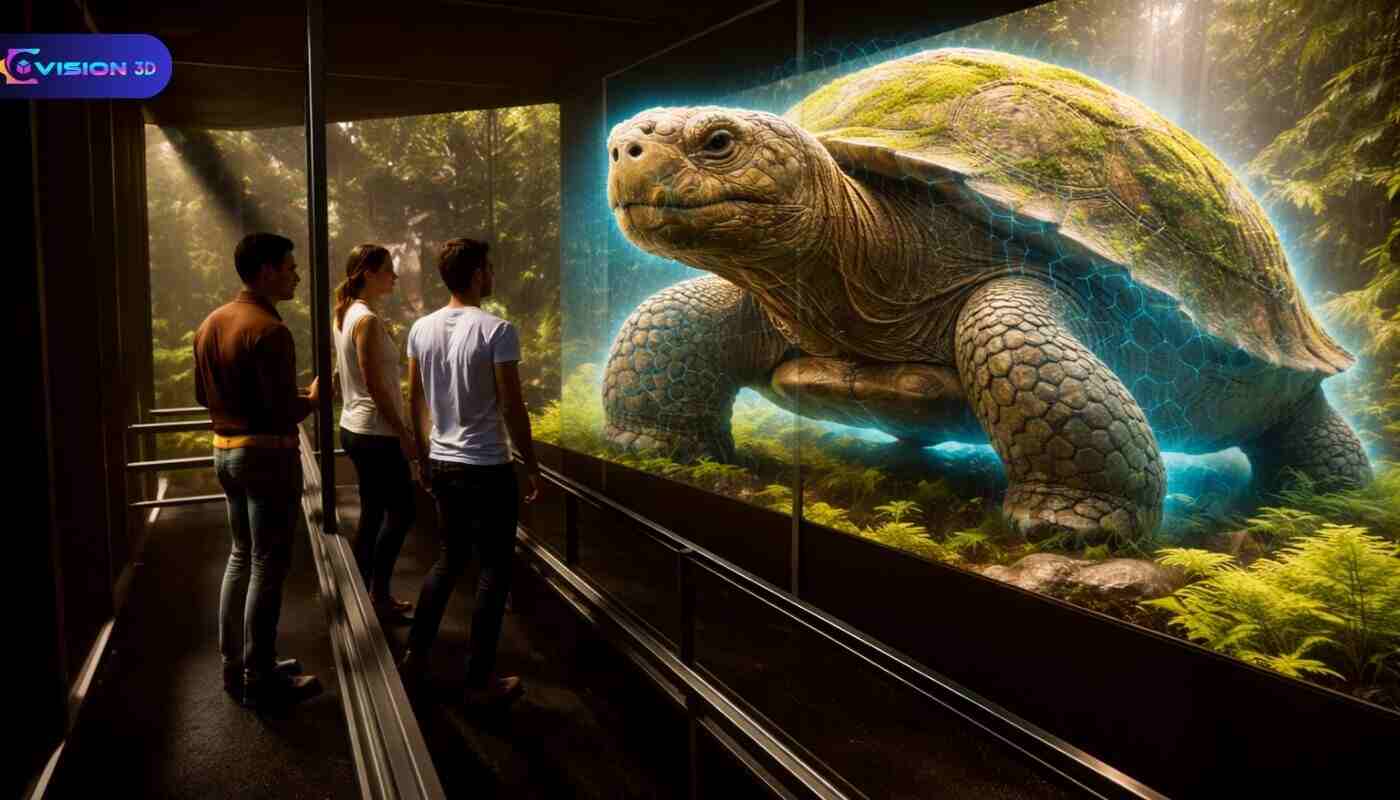
Nowadays, kids and children can experience learning and associative atmospheres with innovative hologram technology rather than conventional animal shows. The most interesting development is the usage of 3D holographic technology that turns how tourists perceive wildlife while improving restoration understanding and interaction recognition. This write-up provides an engaging and educational experience about the 3D hologram in zoo.
About the 3D Hologram in Zoo
The stunning projection producing a real and 3D object sailing in mid-air is a hologram 3D display in the zoo, where users can experience various hologram animals. This three-dimensional hologram zoo showcases lifelike pictures of ecosystems, animals and knowledgeable content without physical restrictions. Such holographic screens can replicate animal behaviours, motions and habitats in a pattern that feels engaging and real.
Improving Traveller Interaction
Three-dimensional holograms bring a fresh stage of interest to zoo travelling. Despite viewing animals from a distance, travellers can feel various and nearby engagements. Like, a holo lion can move toward the viewer, roar or present hunting strategies. This associative feel catches focus, particularly among kids that makes knowledge both unforgettable and fun.
Engaging features further improve interaction. Tourists can utilize motion sensors, touchscreens or mobile apps to handle the hologram, choose various hologram animals or browse special behaviours. This instant reach promotion active contribution and interests rather than temporary views.
Learning Profits
The highest profit of a 3D hologram in zoo is its capability to offer rich learning content. Conventional symbols can be unnoticed, but holographic narration makes details more alluring and simple to acknowledge.
Holograms can
- Present animal anatomy in a three-dimensional pattern.
- Display development stages and life cycles.
- Depict migration ways across continents via a hologram aquarium.
- Detail complicated food chains and ecosystems.
Such views assist tourists in grasping methods that are complex to assume. Learning groups and schools especially profit from these interactive studying devices, as they coordinate well with engaging and modern teaching concepts.
Encouraging Wildlife Restoration
Three-dimensional holograms play an essential role in exceeding recognition about restoration attempts and endangered species. Zoos can depict animals that are extinct, rare or not available in physical form. Like, a hologram screen of an extinct species, such as the dodo, can teach tourists about the effects of atmospheric ignorance.
Holograms can replicate the effect of atmospheric shift, illegal killing and habitat damage. By presenting these problems, tourists can develop a feeling and in-depth acknowledgement of the restoration significance.
Enhancing Animal Welfare
Another important advantage is the positive effect on animal well-being. A few animals are tactful to light, noise or human availability that can cause tension in conventional amenities. Zoos can decrease the requirement for live screens in specific situations by utilising holograms and offer an interactive experience.
Animals look sick, resting or off-screen, by utilising hologram shows, assuring that travellers can explore without stressing them in the zoo.
Affordable and Versatile Shows
This provides price savings and long-term versatility, as the starting establishment of three-dimensional hologram technology may need financing. Zoos can introduce new species, upgrade content or produce seasonal themes without the supply problems of repositioning animals or refiguring enclosures.
This flexibility enables zoos to keep their shows relevant and fresh, promoting concurrent tours and consistent understanding.
The Future of Zoos
With technological advancement, a hologram 3D display has become a prime characteristic in modern zoos. They maintain the space between learning and enjoyment, providing an inventive and sustainable method to associate people with wildlife.
Hologram experiences improve traveller satisfaction and promote an excellent dedication to securing our planet’s ecosystem by blending engagement, originality and narration. To know more about the holographic displays, get in touch with the Vision3D customer care number.
FAQs
Ans. Yes, viewers decrease stress on animals by reducing direct human engagement and removing a few live screens.
Ans. No, they support conventional zoos by improving engagement and learning, but can’t remove real animal conservation attempts.